Prime Food Processing LLC, a Brooklyn importer, is recalling 425 cases of dried croaker and dried herring because the fish were not adequately eviscerated. The FDA posted both notices on November 23, 2026. The product was made in Vietnam, sold without a brand and distributed to Asian grocery stores in 31 states.
It is the fourth recall from the same company for the same problem this year. That is the part a buyer should read twice.
The Recall at a Glance
| Company | Prime Food Processing LLC, Brooklyn, New York |
|---|---|
| Products | Dried Croaker Fish (2 items) and Dried Herring Fish (1 item), no brand |
| Reason | Not adequately eviscerated; potential Clostridium botulinum hazard |
| Quantity | 425 cases: 200 croaker, 225 herring |
| Made in | Vietnam |
| Sold through | Asian grocery stores, 31 states combined |
| How it was found | Routine testing by the New York Department of Agriculture and Markets |
| Illnesses reported | None at the time of the notices |
| FDA notices | Dried croaker (company announcement Nov 10, posted Nov 23); Dried herring (Nov 23) |
Codes to Check in Your Inventory
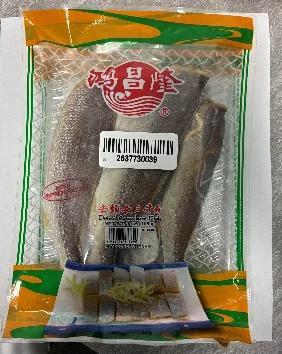
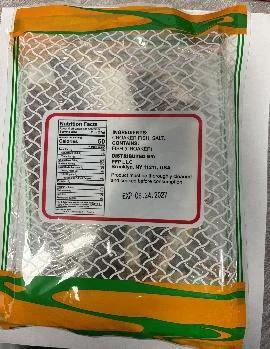
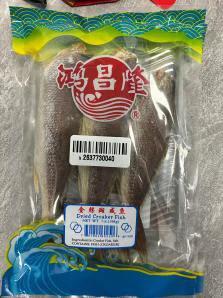
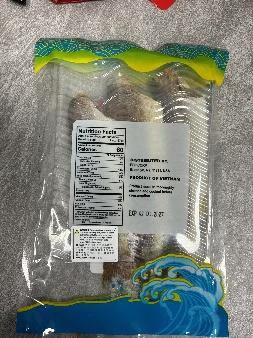
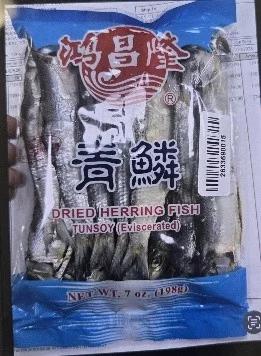
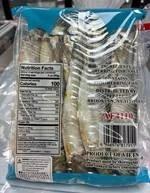
All three come in 7 oz (198 g) clear plastic bags. The trim color is the fastest way to sort them on a shelf; the item number and lot code confirm it.
| Product | Item | Lot | Expiration | Bag trim | Cases |
|---|---|---|---|---|---|
| Dried Croaker Fish | AF1340 | 24302 | 06.24.27 | Orange and green | 100 |
| Dried Croaker Fish | AF1420 | 24215 | 02.03.27 | Blue and green | 100 |
| Dried Herring Fish | AF4110 | 25180 | 12.28.27 | Blue | 225 |
One trap: AF4110 is the same item number that was recalled in June under lot 26020. Two blue-trim herring bags can carry the same item number and belong to two different recalls. Check the lot, not only the item. The FDA notices list no brand, but the bags in the FDA's photos carry a printed logo. Search your stock by item number and lot, not by brand name.
Four Recalls, One Supplier
Our own count from the FDA notices this year:
| FDA notice | Product | Item | Lot | Cases |
|---|---|---|---|---|
| February 2026 | Dried Croaker Fish | AF1410 | 25128 | 80 |
| June 2026 | Dried Herring Fish | AF4110 | 26020 | 69 |
| November 2026 | Dried Croaker Fish | AF1340, AF1420 | 24302, 24215 | 200 |
| November 2026 | Dried Herring Fish | AF4110 | 25180 | 225 |
That is 574 cases across four notices, every one for inadequate evisceration, and every one traced to fish made in Vietnam. A single bad lot is a lot problem. Four notices in a year is a process problem at the source, and the two November notices are the largest so far. The herring bag in the FDA's photo is printed with the word Eviscerated. A claim on a bag is not a process record.
"Two recalls of the same herring item in six months tell you the problem is in the process, not in one lot. If you buy dried whole fish from overseas, ask for the evisceration step in the processor's HACCP plan and how fish over five inches are handled. After a repeat recall, re-audit the supplier. Pulling the lot is not enough."
Dedet Barroso, Head of FSQA, Pacific86
If You Buy, Distribute or Repack Dried Whole Fish
- Pull and hold any bag of AF1340 lot 24302, AF1420 lot 24215 or AF4110 lot 25180, plus AF4110 lot 26020 and AF1410 lot 25128 if any are still on hand.
- Check the length of the fish you buy whole. FDA treats uneviscerated fish over five inches that are salt-cured, dried or smoked as a regulatory action case.
- Ask your processor for the evisceration step in its HACCP plan and the records for each lot you receive, not a general statement.
- If you import seafood, confirm your verification file covers this supplier: HACCP records, inspection certificates or your own checks, as the importer rule requires.
- Keep item number, lot and expiration on your receiving records so a recall check takes minutes, not a stock count.
- Treat a second recall from the same supplier as a trigger to review the supplier, not only the product.
The Rules Behind It
Uneviscerated, salt-cured or dried whole fish have a long record of botulism outbreaks. FDA's compliance policy on uneviscerated fish says the agency will consider seizure or detention of any uneviscerated fish over five inches that is salt-cured, dried or smoked. Smaller fish can be an exception only when processing reaches levels of salt or drying that prevent toxin formation.
At the border, Import Alert 16-74 allows detention without physical examination of uneviscerated or partially eviscerated fish that are salt-cured, dried, smoked, pickled, fermented or brined. FDA states it knows of no safe processing for uneviscerated large fish, five inches or more including head and tail.
For importers, 21 CFR 123.12 requires written verification that imported seafood was processed under a HACCP system: supplier records, certificates, inspections or testing, documented for each supplier.
New York goes further. Its Agriculture and Markets regulations prohibit the sale of uneviscerated fish, which is why New York's routine testing set off these recalls.
For Consumers
Do not eat the recalled fish, even if it looks and smells normal. Botulism toxin does not change how the fish looks. Return the fish and its packaging to the store for a full refund. Symptoms of botulism include dizziness, blurred or double vision and trouble speaking or swallowing; anyone with these signs should get medical care right away.
Questions go to Prime Food Processing LLC at 718-963-2323, Monday to Friday, 9 a.m. to 5 p.m. Eastern.
Why Pacific86 Covers Recalls
We supply the Asian pantry to US retailers, distributors and food brands. When a recall hits a product sold through Asian grocers, the people who need the details first are the ones who buy, import and repack it. We cover the ones that matter to that supply chain and say what to check.