
Bulk and Private Label Coconut Products
Coconut milk, cream and powder, coconut water, oil, flour, sugar and aminos, desiccated coconut and chips. In bulk for your kitchens and plants, or packed under your label.
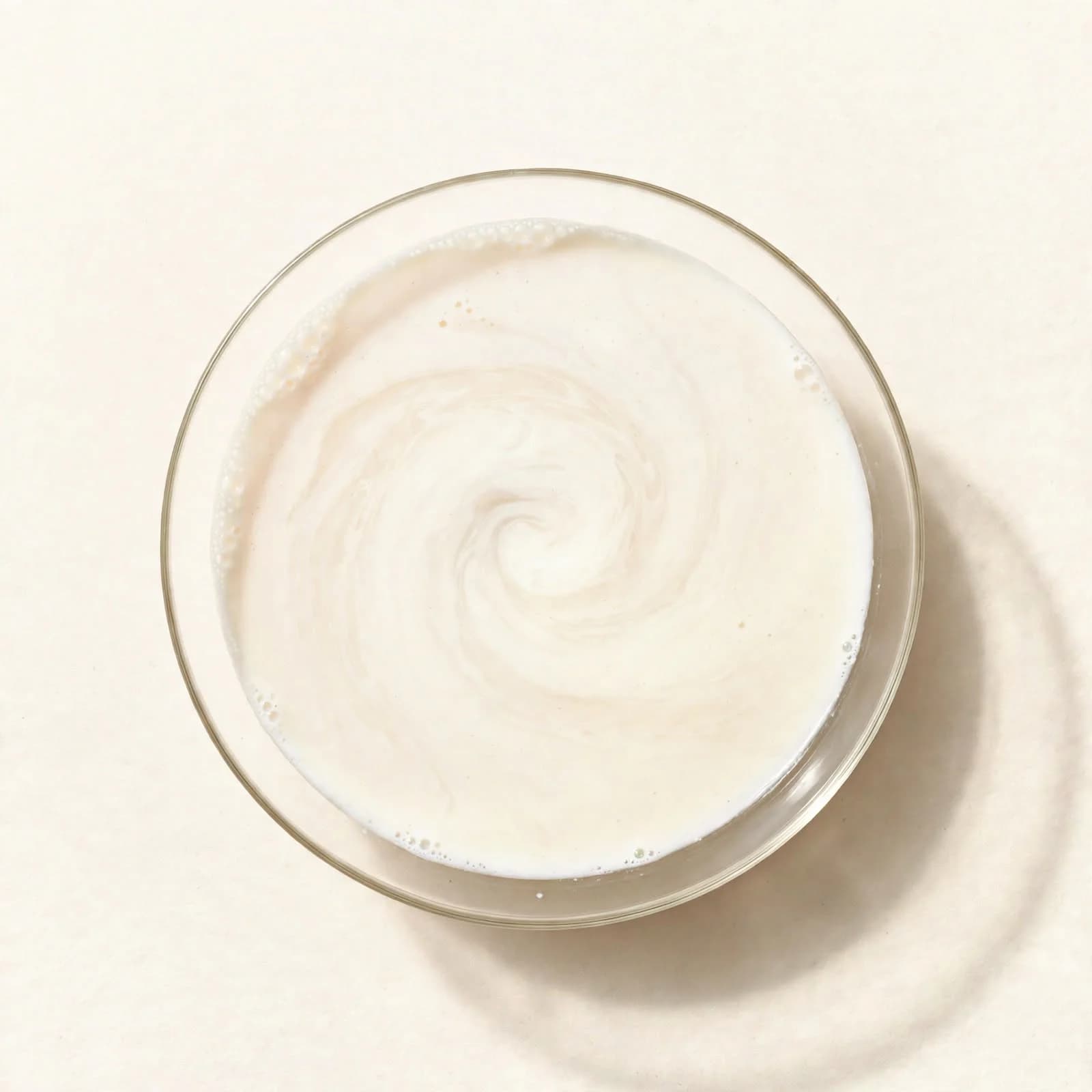
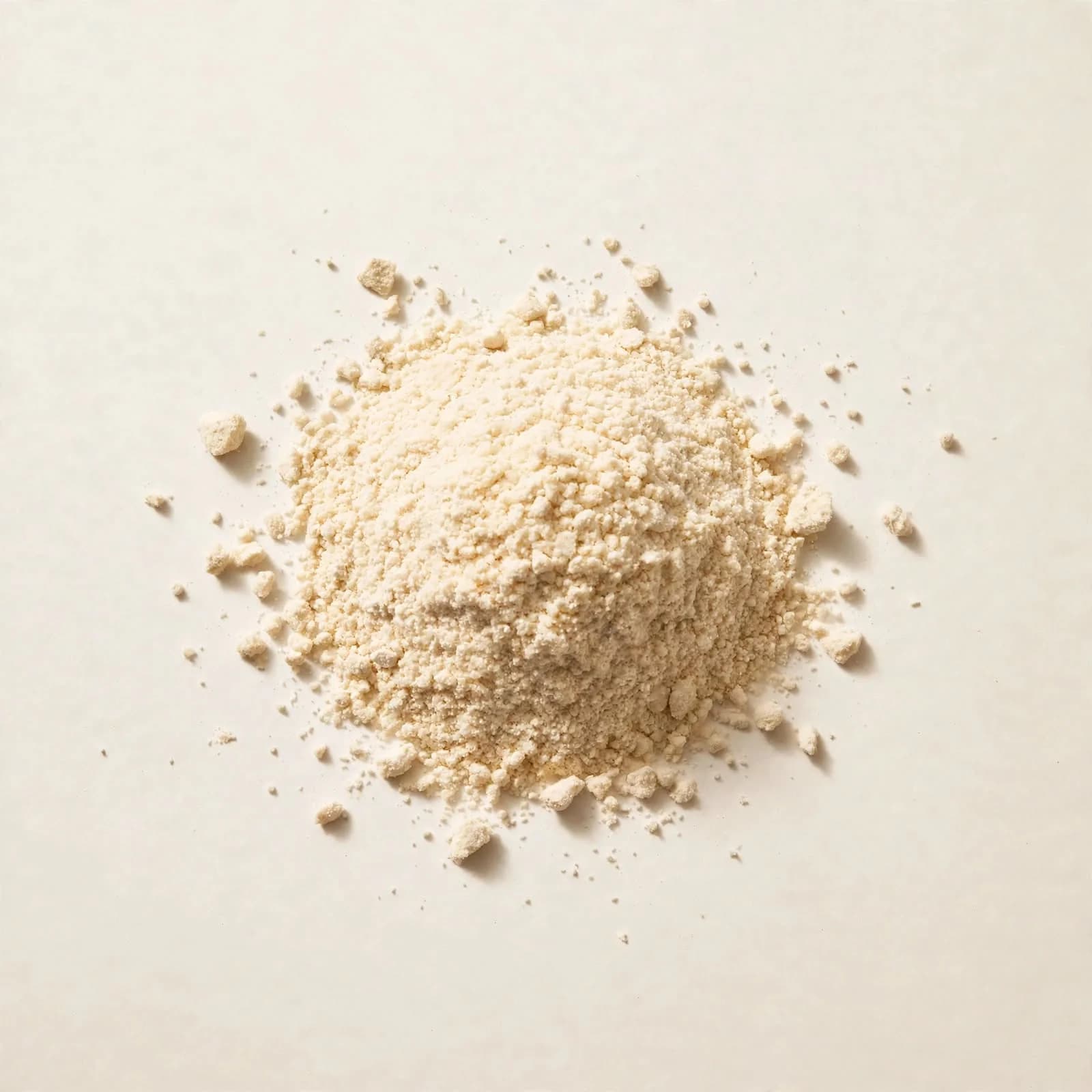
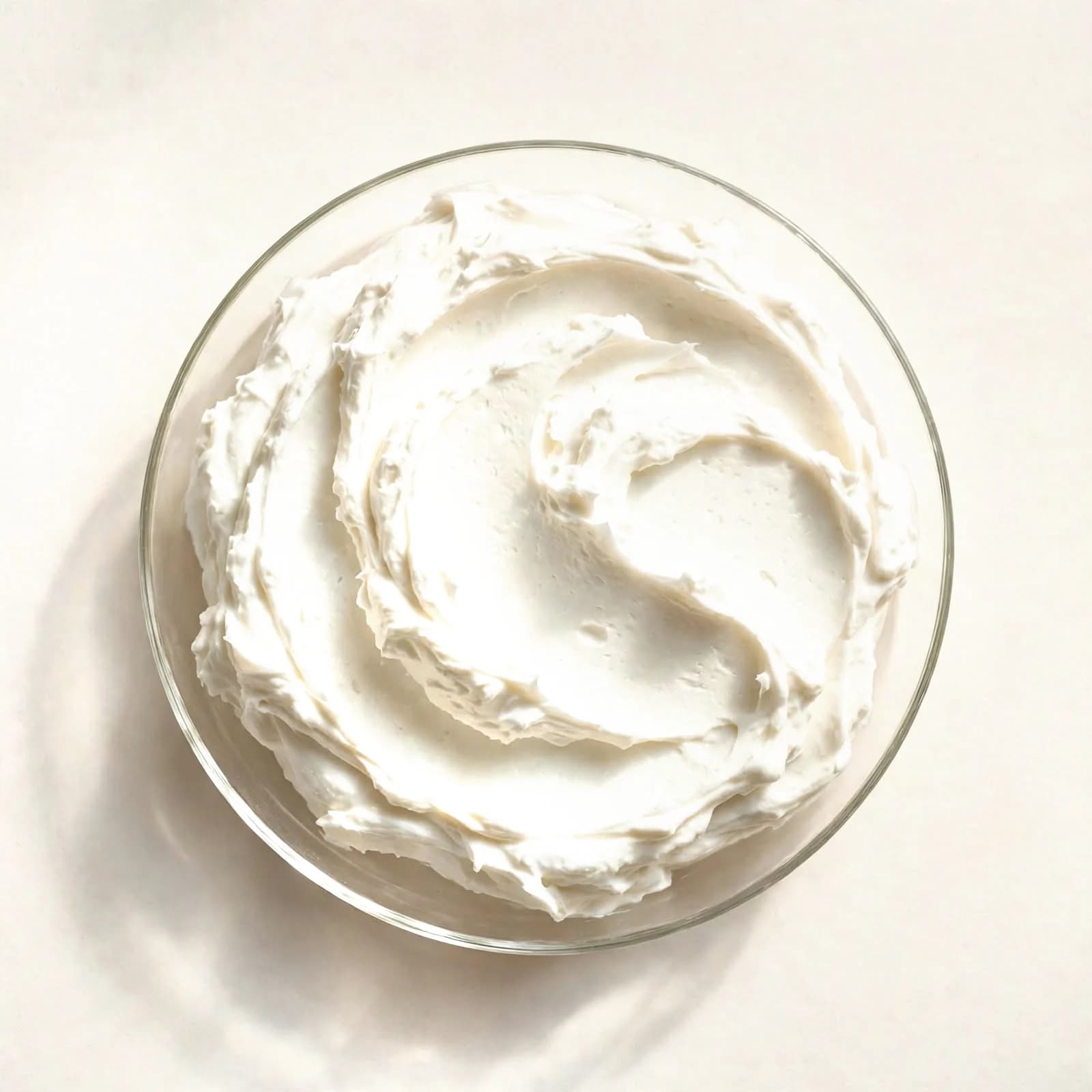
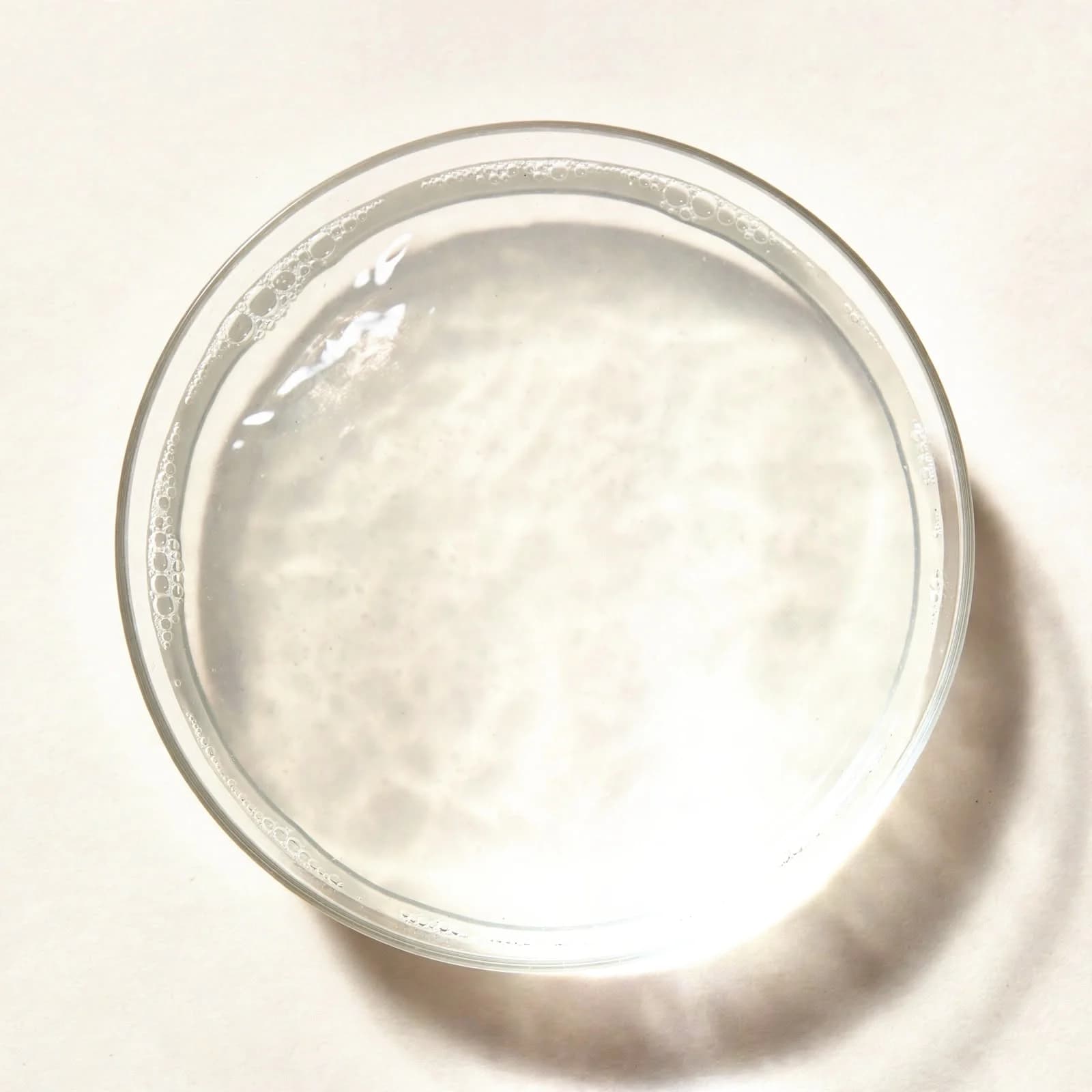
Liquids, Dried, Oil and Sweeteners
On milk, cream and powder, fat percentage is the specification. It decides whether a product is milk, cream or powder, what it costs per liter of finished dish, and which operation it belongs in.
Liquids
On milk and cream the specification is fat, and the stabilizer line decides whether a clean-label program can list it.
Products
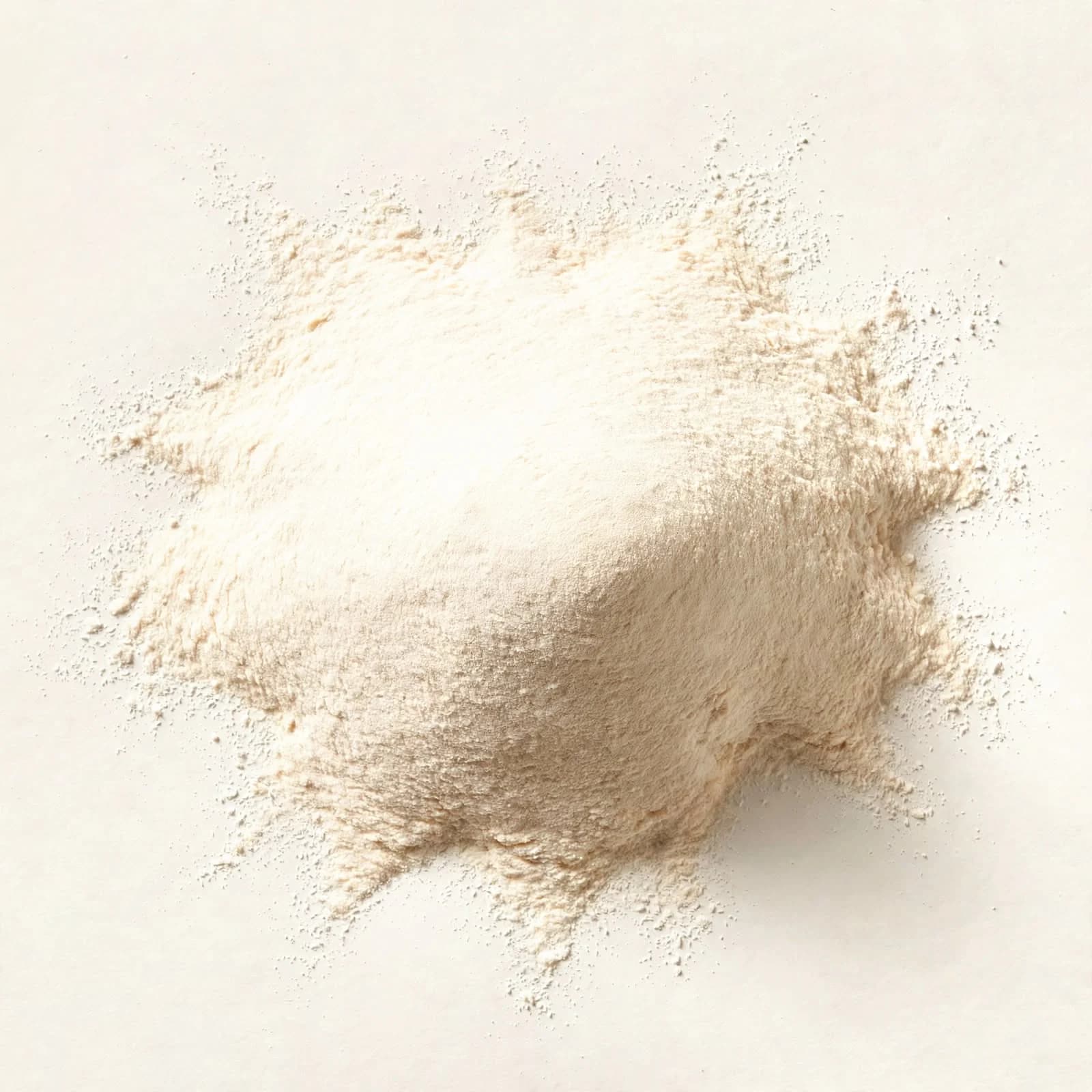
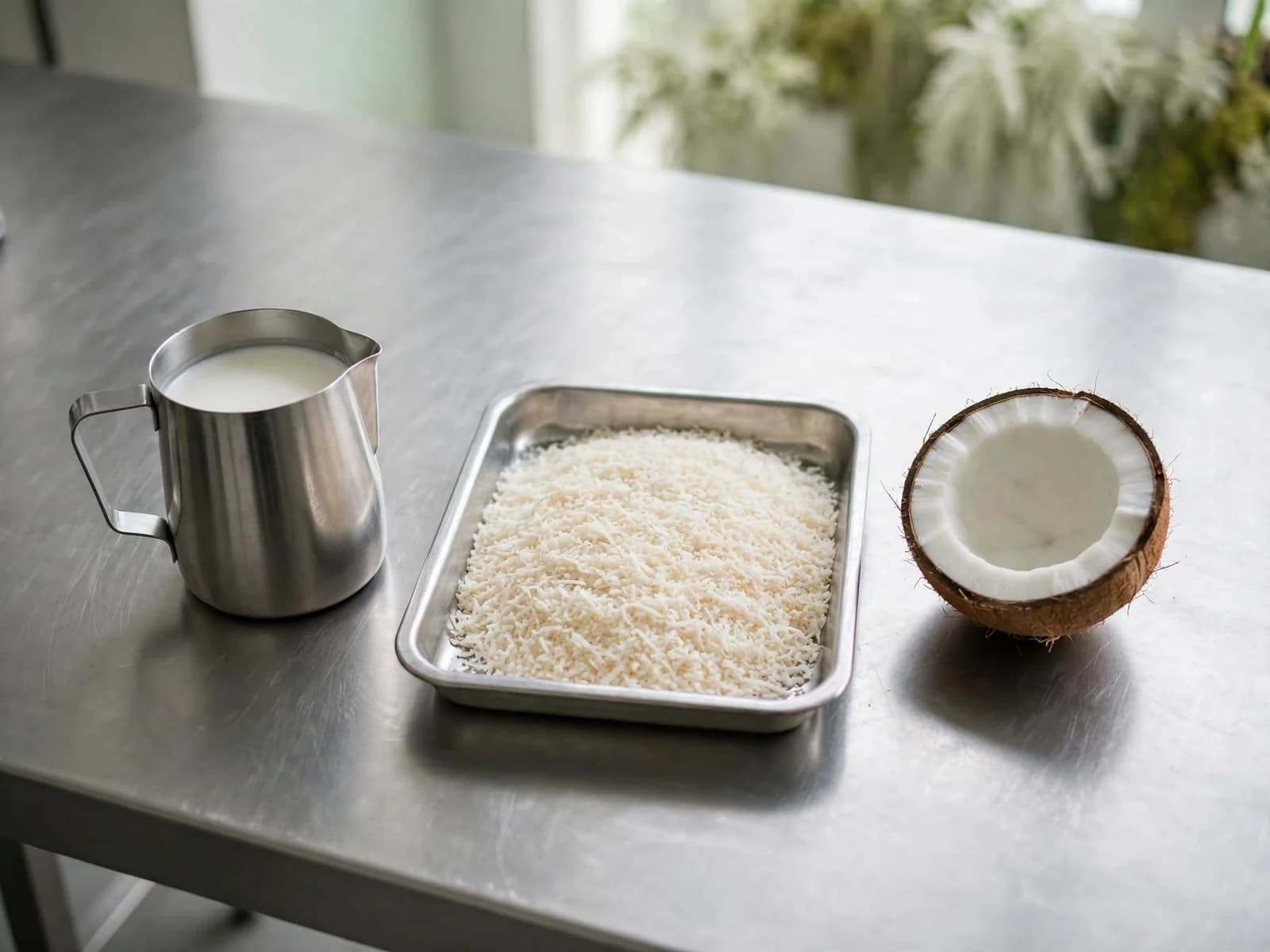
Milk, cream, milk powder and coconut water
Specified by
Fat on milk and cream, Brix on coconut water
Grades
Milk 17 and 18 percent fat, cream 24 and 30, a 65 percent concentrate, powder 40 to 65
The deciding line
The stabilizer on milk and cream, which decides whether a clean-label program can list it, and the carrier on powder
Form
Coconut water ships single strength, as a frozen concentrate or as a spray-dried powder
Dried
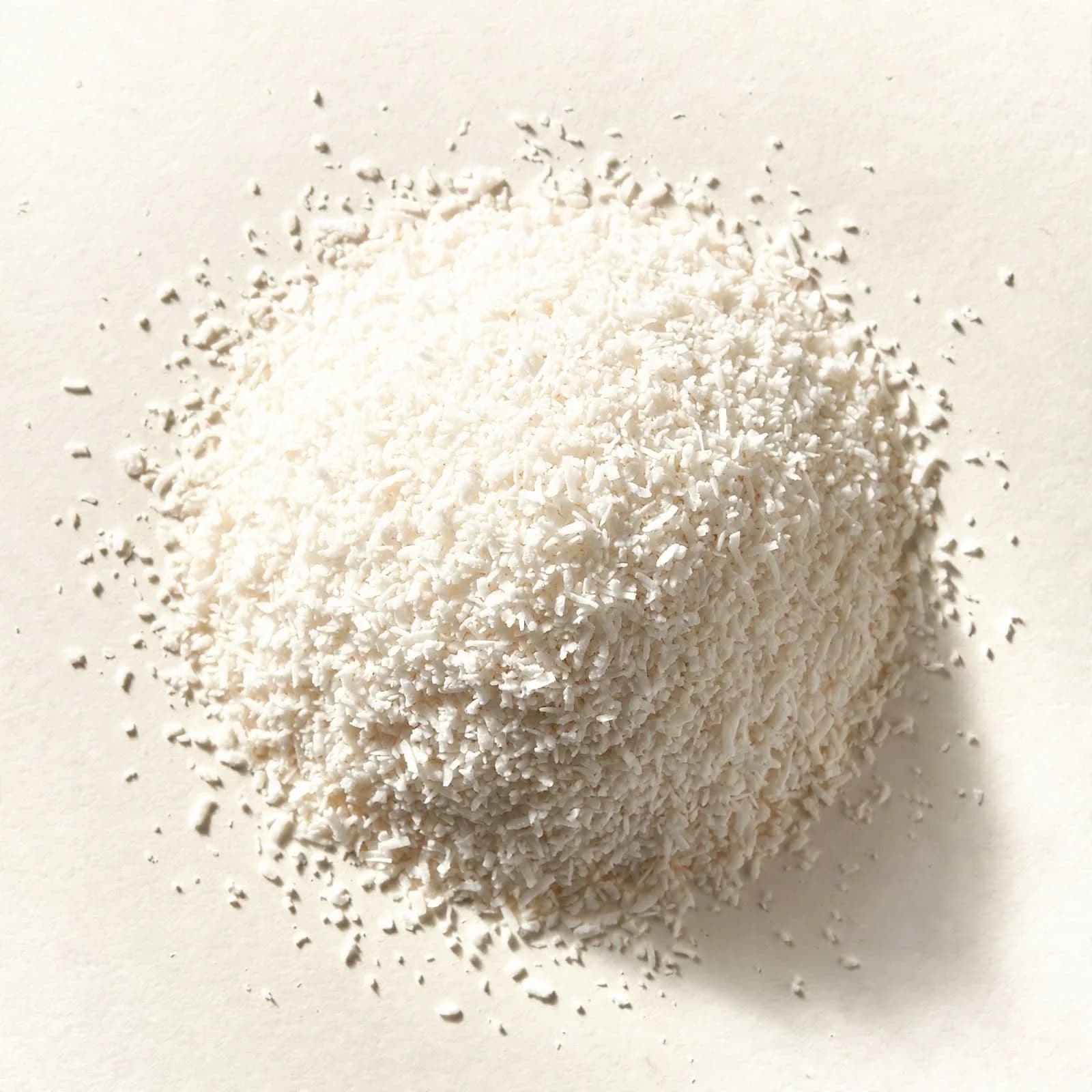
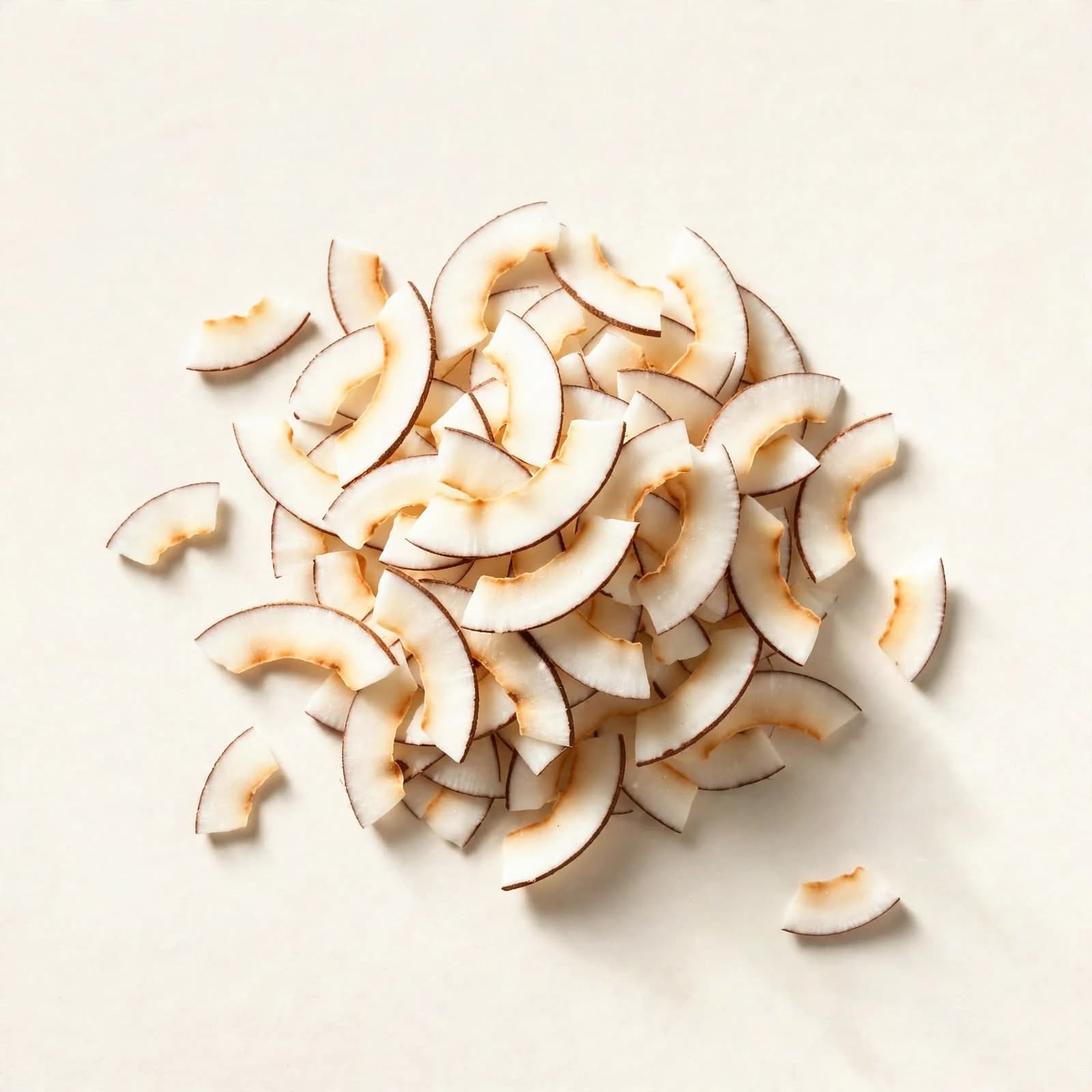
Desiccated is sold by cut, fine, medium or coarse, each to a sieve specification. Chips are specified by thickness and length.
Products
Desiccated coconut, chips and flour
Specified by
Desiccated by cut and fat, chips by thickness and length, flour by fiber and grind
Grades
Desiccated fine, medium or coarse, each to a sieve specification
The deciding line
Fiber, on flour
Form
Flour is the kernel with most of the fat taken out, and its fiber is the reason it is bought
Oil and Sweeteners
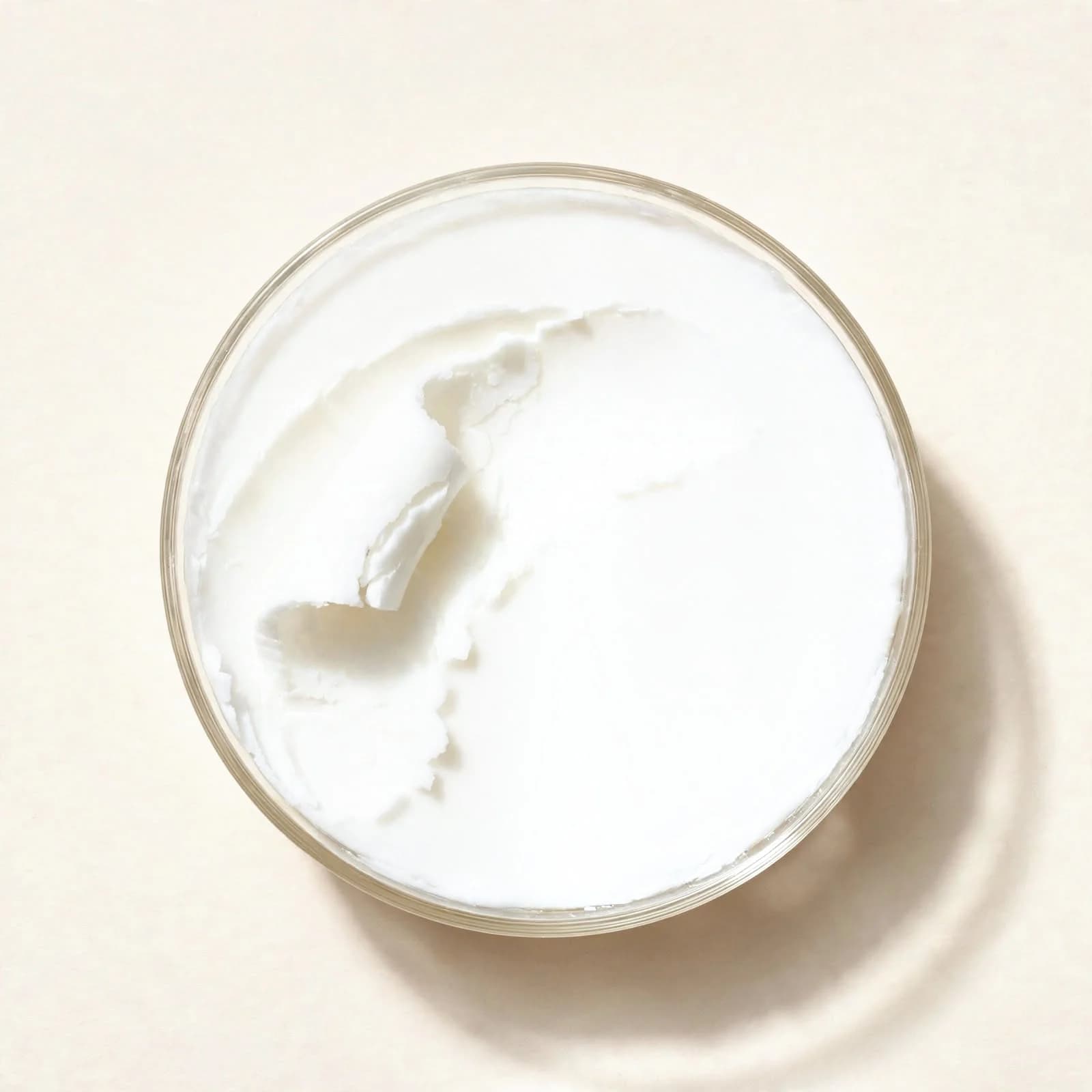
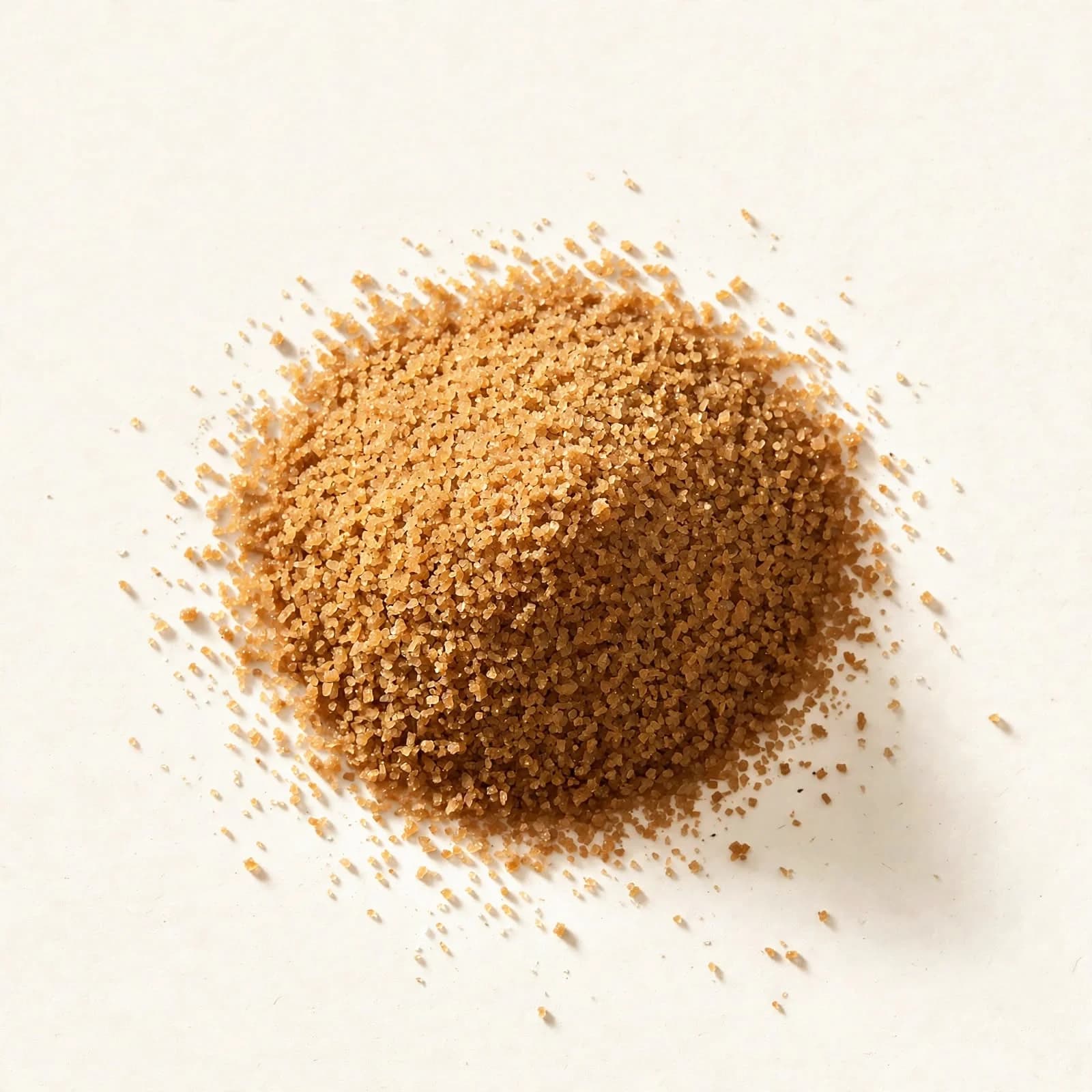
Coconut oil, virgin or refined, specified by free fatty acid and peroxide value. Coconut sugar, sold by mesh.
Products
Coconut oil, coconut sugar and coconut aminos
Specified by
Oil by free fatty acid and peroxide value, sugar by mesh and moisture, aminos by Brix and sodium
Grades
Oil virgin or refined, sugar by mesh
The deciding line
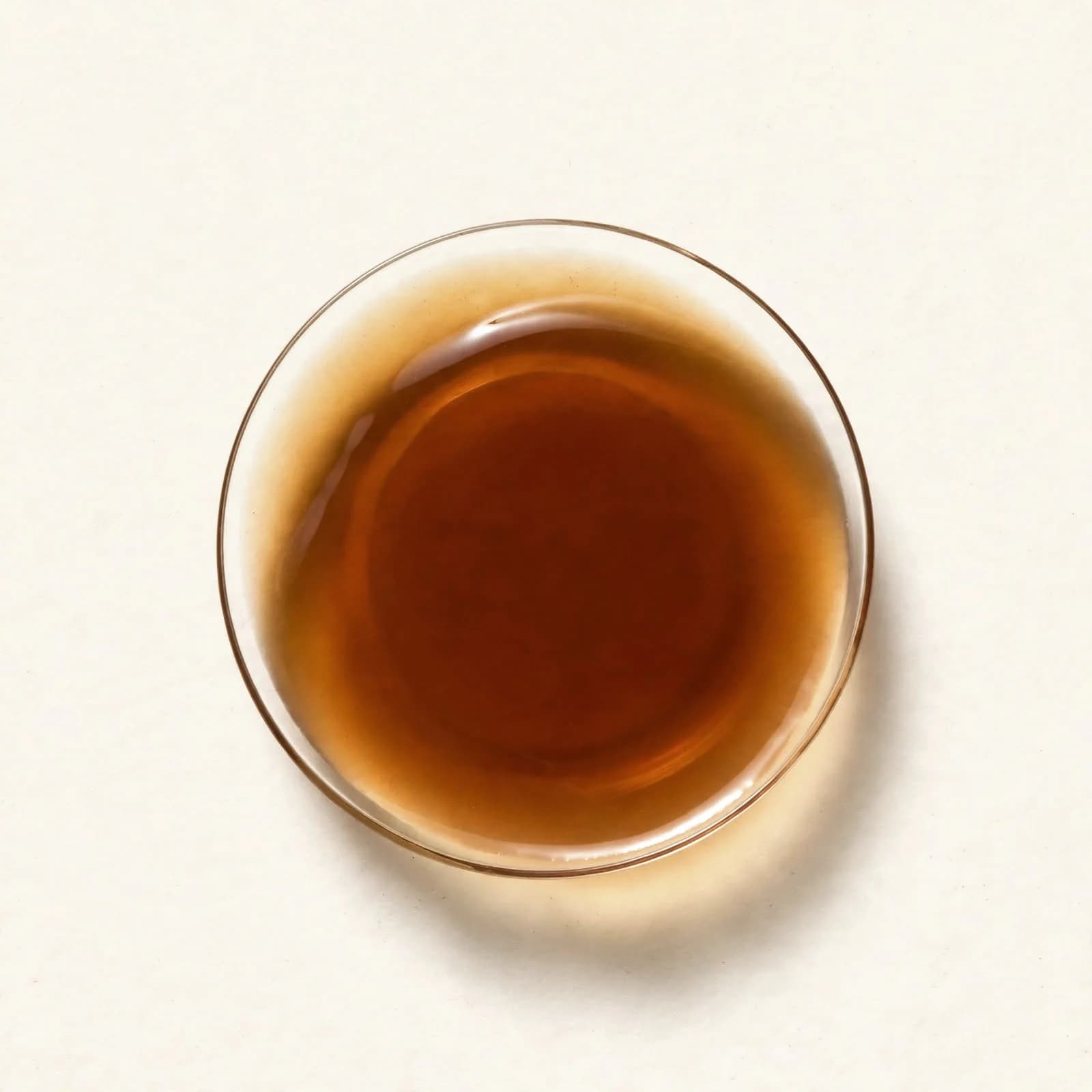
Brix and sodium, on aminos
Form
Coconut aminos is a seasoning sauce made from coconut sap and salt
A Thai kitchen frying curry paste wants the cream to break. A beverage line wants a milk that never does. An instant soup manufacturer wants the fat without the water and buys powder on cost per reconstituted liter. A retail private label team is matching a national brand's declared percentage and wants the panel before the sample.
Shelf life runs 9 to 30 months across the range depending on the product, the grade and the pack. Every product carries its specification, ingredient statement, allergen statement and shelf life before you ask, and is quoted against your own pack.
What You Can Change
Fat. Milk at 17 and 18 percent, cream at 24 and 30, powder 40 to 65.
Stabilizer. Guar gum, xanthan gum or stabilizer-free, on milk and cream.
Carrier. Some powders use sodium caseinate; ask for each grade's statement.
Cut. Desiccated coconut fine, medium or coarse, chips by thickness.
Oil. Virgin, or refined, bleached and deodorized.
Organic. On request across the whole coconut range.
Retail or foodservice pack, and private label.
What to Check Before You Commit
The Defining Number Against Price
Fat on milk and cream, cut on desiccated coconut, Brix on coconut water, mesh on sugar. Private label is matching a declared 17 or 18, the emerging brand is costing grams of fat into a formula, and foodservice is asking how many cases one bulk pack replaces.
Ingredient Statement and Clean-Label Fit
The emerging brand's first question, because one stabilizer or sulfite line can break the positioning, and the natural-channel retail buyer's second. Foodservice rarely asks unless the menu says no additives.
Stability in the Intended Process
A foodservice group needs a cream that holds or breaks on purpose, and a beverage brand a stabilized milk that survives homogenization and twelve months in a carton. A retail buyer needs a can that does not cap on shelf.
Format and Freight Efficiency
Foodservice groups and co-packers select on this first: pouch and bag-in-box cut can disposal and weight, powder cuts the water out entirely, and coconut water concentrate ships one liter for every 15 of finished water. Retail is locked to the can or carton the shelf expects.
Allergen and Certification Package
Attributed to the facility: the emerging brand needs dairy-free and often organic with the paperwork behind each, and the retail buyer whatever the retailer's private label standard demands. Foodservice needs a clear allergen statement for menu disclosure.
Origin and Supply Continuity
Retail private label lives on annual contracts and was hurt by the 2024 to 2026 coconut price spike, so more than one origin behind a grade is a selection criterion. Emerging brands often select on an origin story; foodservice selects on who holds a price for a quarter.
Where These Go
Restaurant Groups
Milk by the case for Thai, Malaysian, Filipino and South Indian menus, and cream where the dish is finished by breaking the emulsion.
Retail Private Label
Matching a national brand's declared fat percentage, where the panel and the stabilizer line are read before the price.
Emerging Brands
A start from the claim: a clean-label curry sauce, a plant-based frozen dessert built on 30 percent cream, or a protein powder that needs a dairy-free coconut powder and cannot find one.
Seasoning and Dry Mix
Instant soup and noodle seasoning manufacturers buy the 40 to 60 percent powders on cost.
Beverage and Frozen Dessert
Co-packers and ice cream plants buy stabilized UHT milk or the 65 percent concentrate and dilute at the plant.
Institutional and Multi-Unit
Operators without cold or heavy storage, from campus dining to airline catering, buy powder because a can program across hundreds of units is impractical.
Pacific86 Is the Sister Company of Source86.
- Pacific86 runs on the same supplier network and the same audited vendors as Source86.
- Our team works on the ground in the countries where your product is made.
- The same FSQA team reviews the documentation for your order.
- Audited vendors
- 86
- BRCGS grade
- AA
- Countries with our team on the ground
- 15
- On-time delivery
- 98%
Questions Buyers Ask
+Which stabilizer is used, and what does it do to my label?
It depends on the line, and the record names it. Guar gum and xanthan gum both appear across the milk and cream grades, and there are stabilizer-free lines in both. The stabilizer is one line on your ingredient statement, so it is the first thing a clean-label program reads. Tell us which side of that line you need and we quote the grades that sit on it.
+Is separation in the cream a defect?
No. A cream without a stabilizer separates into a fat layer and a water layer over time, and mixing reverses it. One record states it in those words. Spoilage looks different: a sour smell, a swollen pack, a pink or gray color, or a curdle that does not smooth out. A Thai cook frying paste until the oil breaks wants the separation. A beverage line does not.
+Why does the milk solidify in cold storage?
Coconut fat sets below about 20°C. One milk record states that the product solidifies below 20°C (68°F) and can be thawed once used without significant degradation. Coconut oil does the same below about 25°C. That behavior is per line and it publishes on the product page with the storage condition its own document states.
+Does the powder contain dairy?
Some can. Some conventional coconut milk powders use sodium caseinate, a milk protein, as the carrier. Ask for each grade's ingredient statement with your quote.
+Is there an organic option across the range?
Yes, on request, across milk, cream and powder and across desiccated coconut, chips, flour, oil, sugar, water and aminos. Organic milk runs at 17 and 18 percent and organic cream at 24, 30 and 65. Organic powder is the harder one, because the carriers that are compliant are limited, which is why the carrier is named per grade rather than described once for the range.