Bulk and Private Label Oils and Vinegars
Sesame oil, stir-fry oil, rice and coconut vinegar, chili oil and chili crisp, at 12 to 36 months by line.
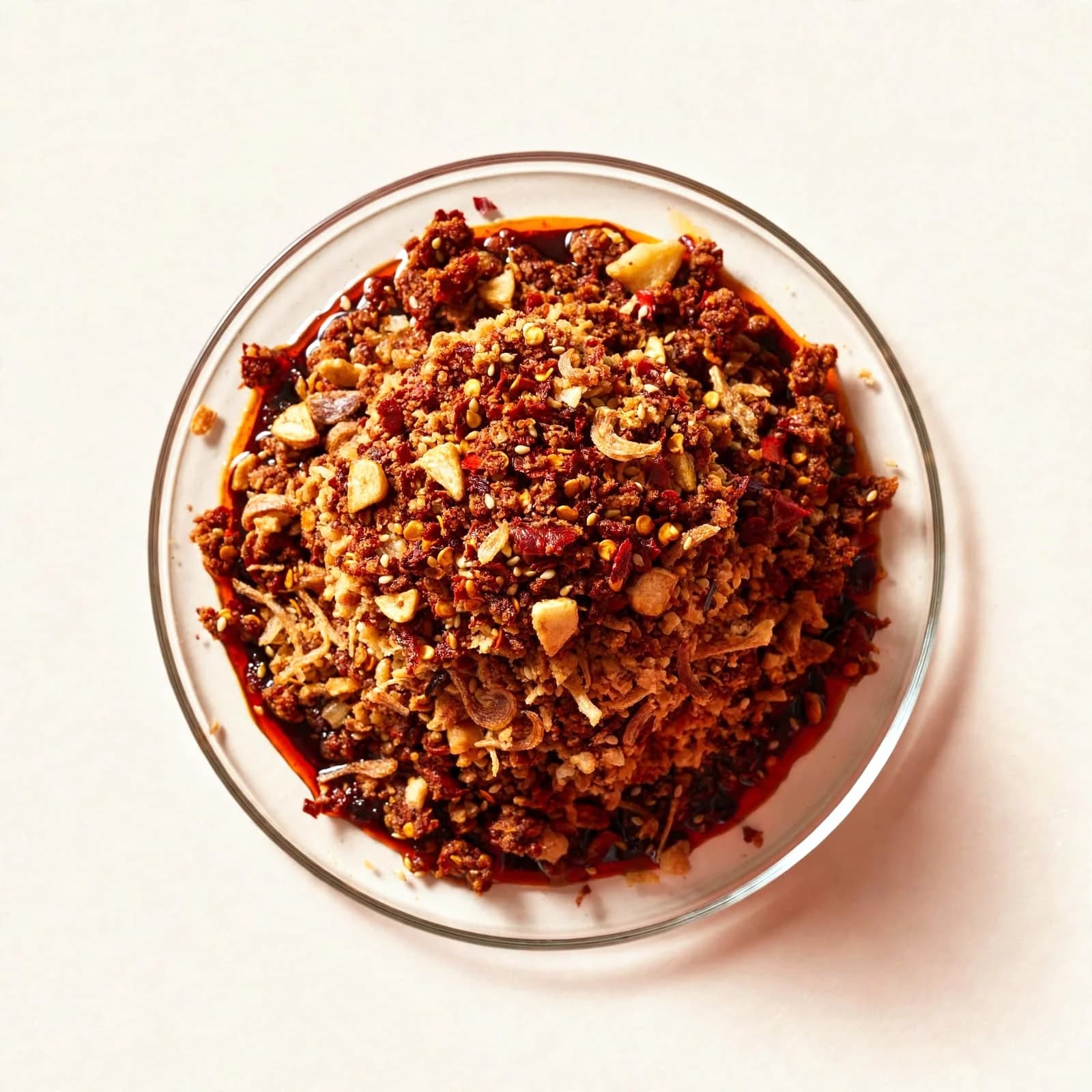
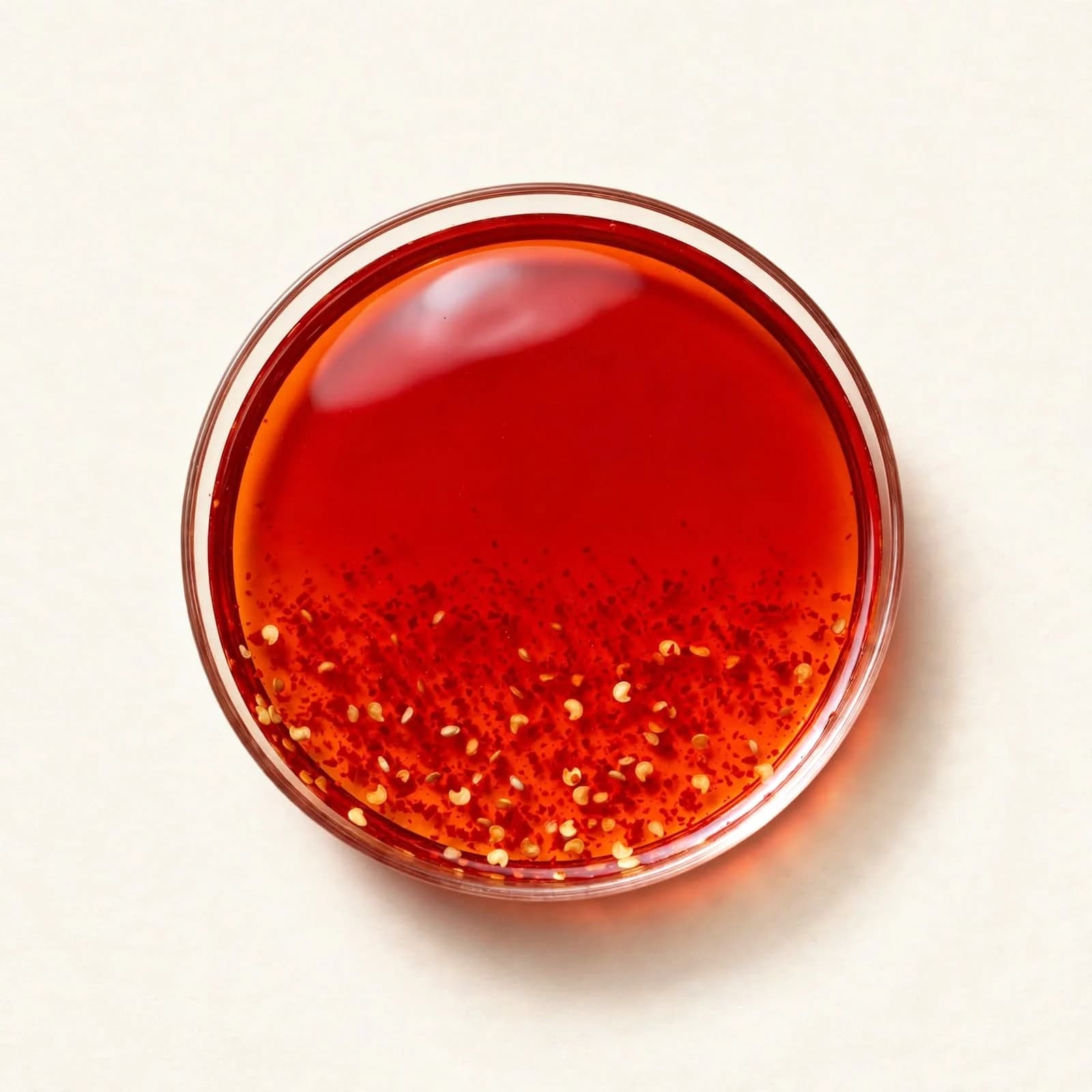
Base, Acidity, Solids
On an oil the specification is the base and the analysis. On a vinegar it is the acidity. On a chili crisp it is how much of the jar is solids and what oil carries them. Every line here publishes its grade before you ask.
Base and Analysis
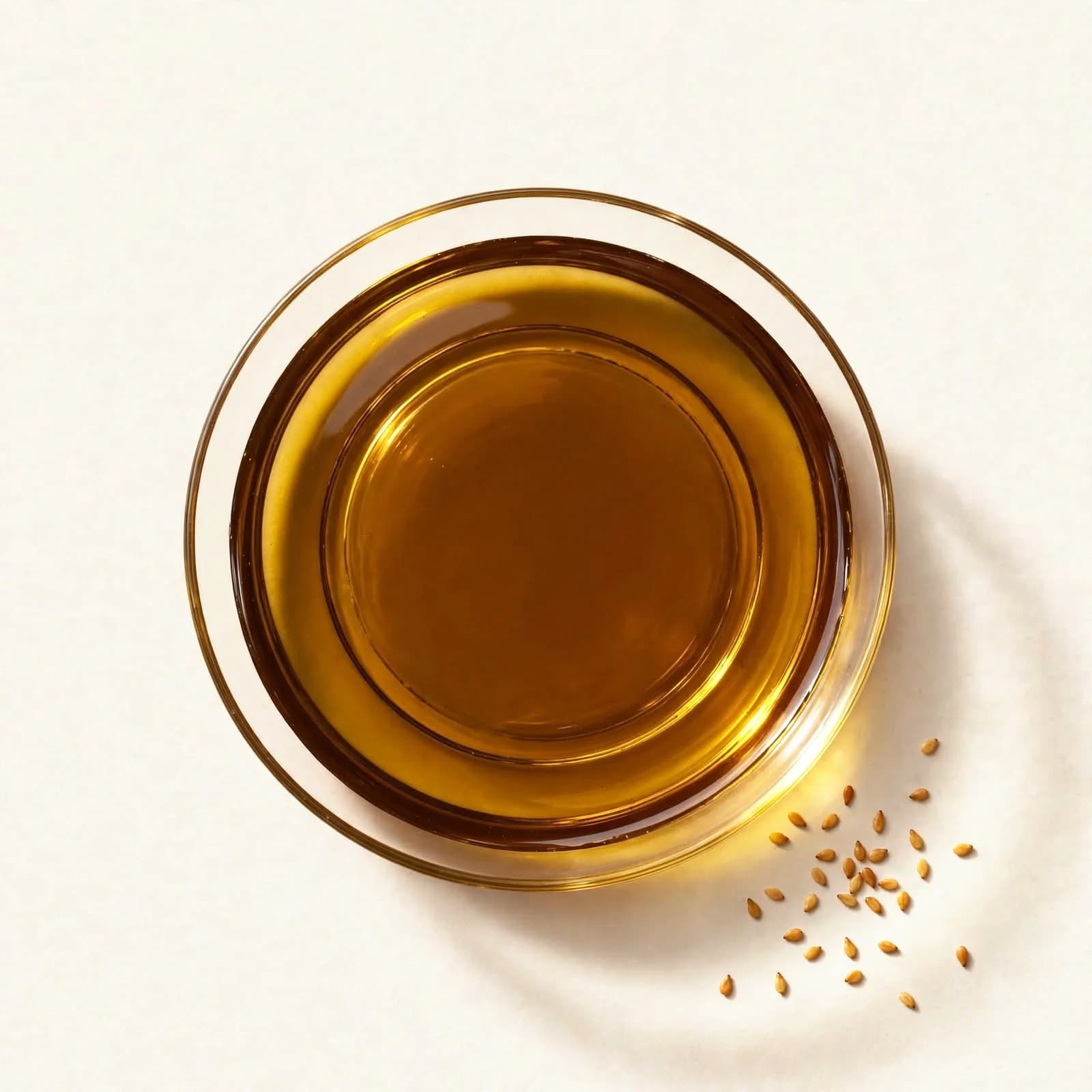
On an oil the specification is the base and the analysis. Pure or blend, toasted or untoasted, a plain oil or one carrying garlic, and then the free fatty acid and the peroxide value, which are the two numbers that say how the oil was handled before it reached you.
Applies to
Sesame oil and stir-fry oil
The specification
Pure or blend, toasted or untoasted, plain or carrying garlic
The numbers
Free fatty acid and peroxide value, the two numbers that say how the oil was handled before it reached you
Why it matters
The base and the analysis are the specification
Shelf life
Sesame 24 months, stir-fry oil 12 months
Acidity
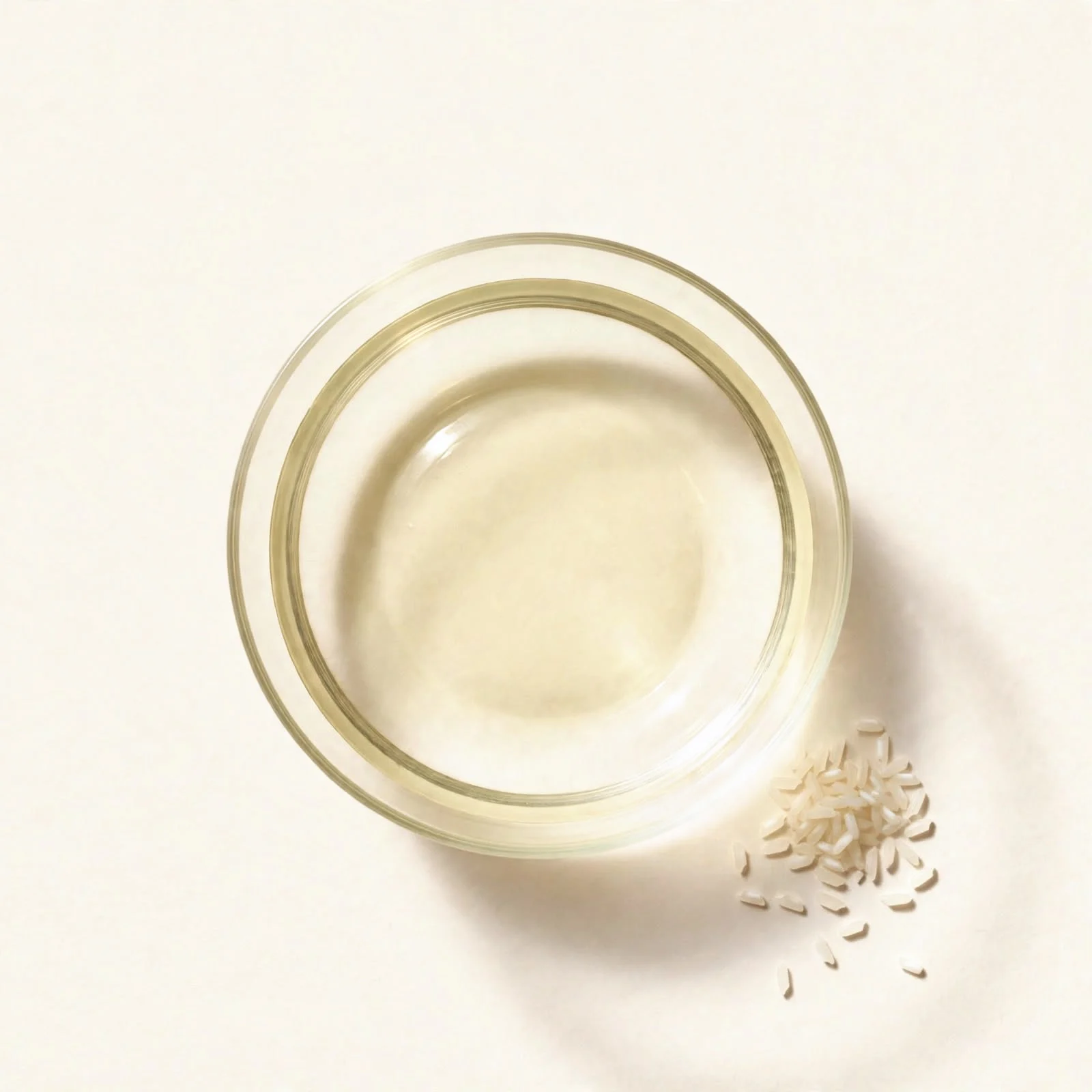
On a vinegar it is the acidity, as a percentage of acetic acid, whether it is brewed from rice or made from coconut flower nectar.
Applies to
Rice vinegar, seasoned rice vinegar and coconut vinegar
The specification
Acidity, as a percentage of acetic acid
The numbers
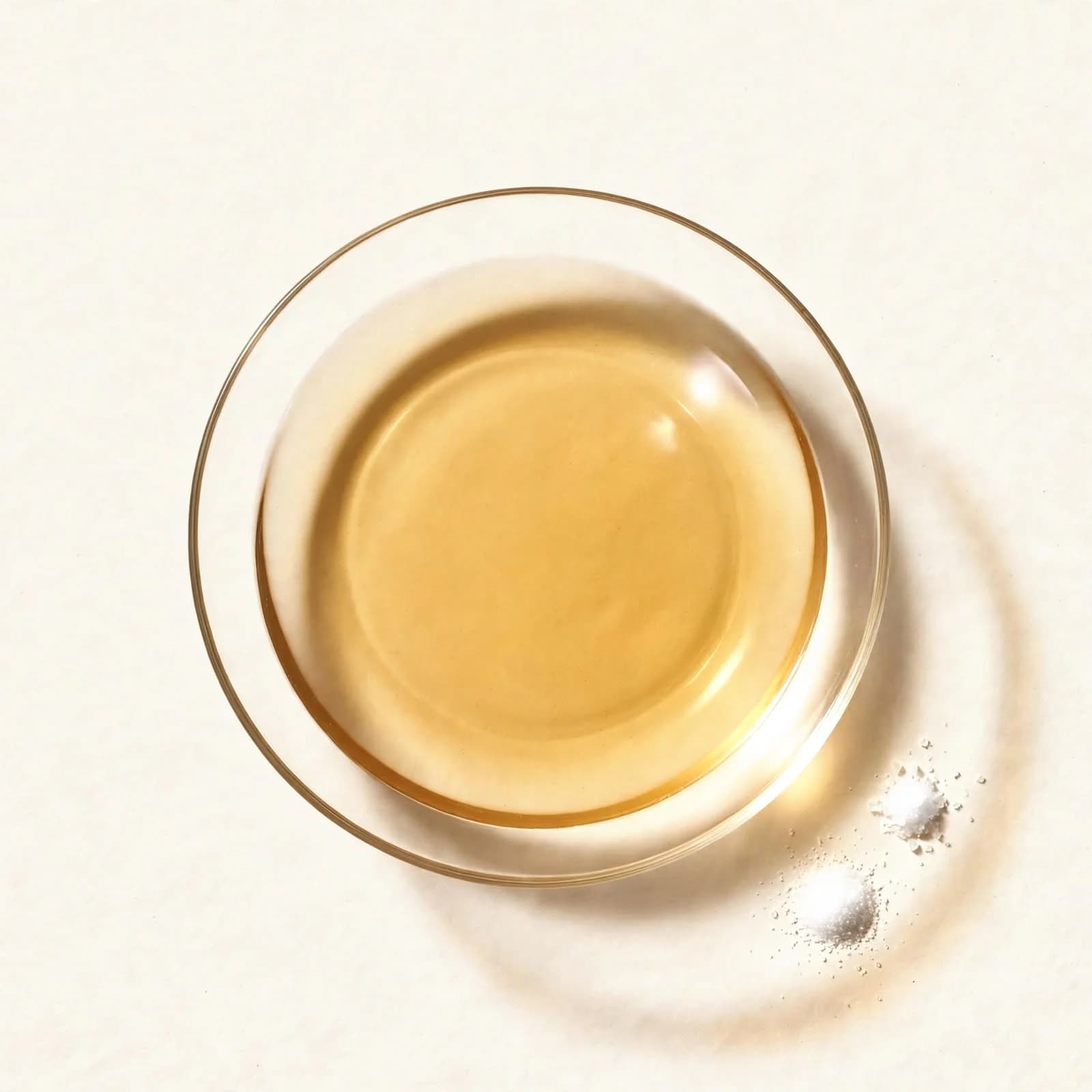
Sugar and salt on the seasoned line, sulfite level on coconut vinegar
Why it matters
Brewed from rice or made from coconut flower nectar. Acidity is the number a US label has to carry and the number a sauce is built against
Shelf life
Rice 24 to 36 months, coconut two years
Solids and the Oil That Carries Them
On a chili crisp it is how much of the jar is solids and what oil carries them, and then the basis on which a garlic-in-oil product is shelf stable.
Applies to
Chili crisp and chili oil
The specification
How much of the jar is solids, and what oil carries them
The numbers
pH and water activity, where a sheet states them
Why it matters
The basis on which a garlic-in-oil product is shelf stable
Shelf life
12 to 24 months
Sesame is a US major allergen and the allergen statement is on every page in this range. Every product is quoted against your own pack.
What You Can Change
Sesame oil. Toasted or untoasted, pure or a named blend.
Chili crisp. The solids, the oil that carries them and the heat.
Rice vinegar. Regular or seasoned, with sugar and salt set to your rice.
Acidity. Stated as percent acetic acid on every vinegar.
Stir-fry oil. Canola carrying garlic extract and natural flavor.
Allergen. Sesame declared wherever a line carries it.
Container. Glass, PET, drum, bag in carton or IBC tank.
What to Check Before You Commit
The Process Safety Basis on Anything With Garlic, Shallot or Onion in Oil
The retail private label buyer who owns the label and the recall selects on this first, and foodservice asks second. The emerging brand assumes it and is burned later.
Oil Base and Antioxidant
The emerging brand's first question, because clean label is the positioning, and the retail buyer's second. A foodservice group asks only when the menu says no additives.
Batch-to-Batch Heat, Salt and Acidity Consistency, as a Tolerance and Not a Target
The foodservice group selects on this above flavor, because a sushi station and a dumpling house both dose by the number.
Format Depth From Retail Jar to Gallon to Drum Without Changing the Formula
The emerging brand selects on it so it can start small and scale. A sauce plant selects on drum alone.
A US-Compliant Ingredient and Allergen Statement, Sesame Named
The retail private label buyer needs it before artwork. The emerging brand needs it before the co-packer will run.
Acidity, Free Fatty Acid and Peroxide Value on a Certificate per Lot
The foodservice group and any plant working to a stated acidity select on the lot document, because the number at shipment is not the number at arrival.
Where These Go
Restaurant Groups
Chili oil and sesame oil by the gallon for Sichuan, Hunan, Korean and Japanese menus, and rice vinegar by the case.
Sushi Programs
From the sushi bar to the grocery kiosk and the hand roll chain, buying seasoned rice vinegar and dosing their rice by its sugar and salt.
Retail Private Label
A chili crisp jar under their own label, because the category grew fast and the national brands are expensive, and a sesame oil bottle that matches a national brand's purity.
Emerging Brands
A start from a claim: a clean-label crisp on a named oil, a dressing built on toasted sesame at 5 to 15 percent of formula, a preservative-free seasoned vinegar.
Manufacturers
Chili crisp as a flavor system for chips and as a sauce component in frozen bowls, sesame oil into marinades and rice cracker seasonings, and rice vinegar into stir fry and sweet and sour sauces.
Fast Casual Chains
Chili crisp on chicken sandwiches, eggs and pizza.
Pacific86 Is the Sister Company of Source86.
- Pacific86 runs on the same supplier network and the same audited vendors as Source86.
- Our team works on the ground in the countries where your product is made.
- The same FSQA team reviews the documentation for your order.
- Audited vendors
- 86
- BRCGS grade
- AA
- Countries with our team on the ground
- 15
- On-time delivery
- 98%
Questions Buyers Ask
+Is sesame declared as an allergen on the label?
Yes. Sesame became the ninth US major allergen on 1 January 2023, and on this range the allergen row never collapses. Where an ingredient statement names sesame, the row says so. Where a statement names none of the nine, the row reads that a statement is available on request rather than reading none, because one document's silence is not a declaration.
+What is in a sesame oil blend, and at what percentage?
It is stated per line. One blend publishes 50 percent sesame seed against 50 percent soybean oil. Another names sesame seed oil with refined, bleached and deodorized soybean oil and gives no share, so none is published for it. A blend is never called sesame oil, because a US label does not allow it, and a blend with no percentage behind it is not a specification.
+What is the acidity of the rice vinegar?
It comes off the record, not off a category rule. A product sold as vinegar in the United States has to carry at least 4 grams of acetic acid per 100 ml, and a product diluted below its brewed strength has to say what strength it was diluted to. The lines here state their own acidity and it is the first row on the page.
+How is a garlic-in-oil product made shelf stable?
By its own documented basis, and we publish that basis or we publish nothing. Garlic and shallot in oil sit outside the acidified and low-acid food rules only where there is no aqueous phase, so a crisp with fried garlic needs a pH and a water activity on its sheet or a process statement behind it. The Sichuan crisp here states pH below 4.5 and water activity below 0.85, and both are rows on its table.
+Is the sesame oil toasted or untoasted?
It is stated where the sheet states it. The toasted line publishes as toasted and the grade row says so. On the lines whose sheets do not say, the row stays open rather than being filled from the color, because toasted and untoasted are different products and a kitchen that ordered one will not accept the other.