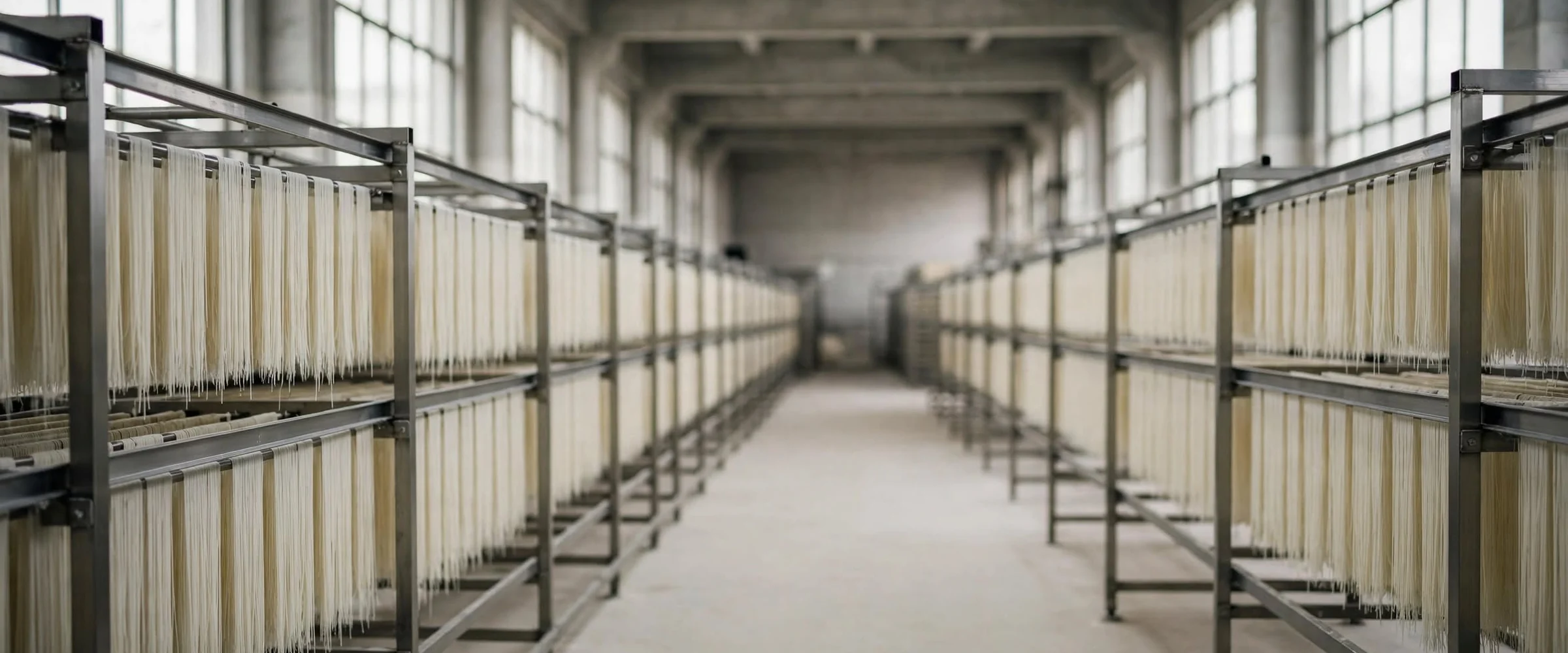
Bulk and Private Label Noodles
Ramen, udon, soba, rice and konjac noodles, dry, fresh and instant, in cuts from 1.0 mm to 8.5 mm. In bulk for your kitchens, or packed under your label.
The Noodles
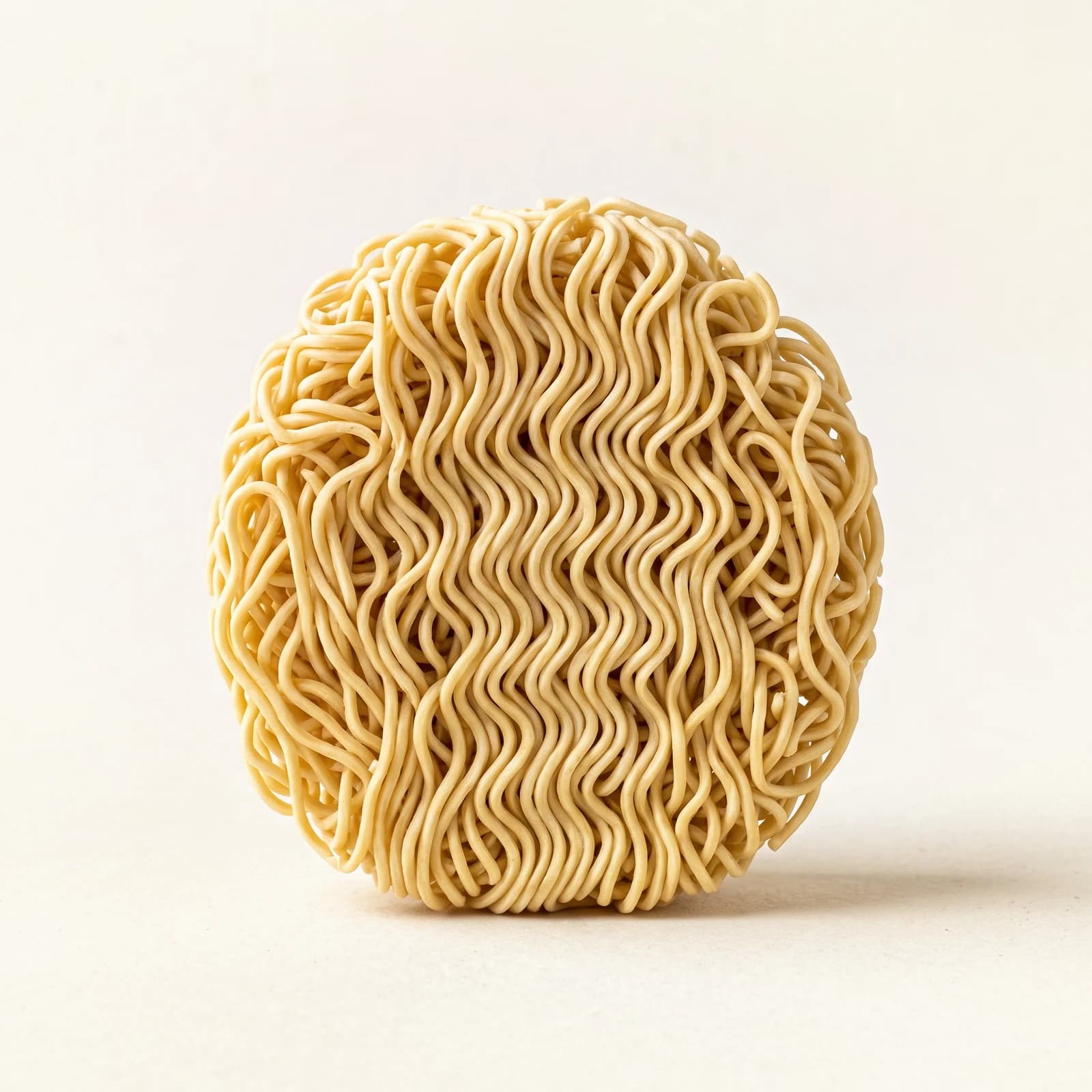
Bulk Ramen Noodles, Dry
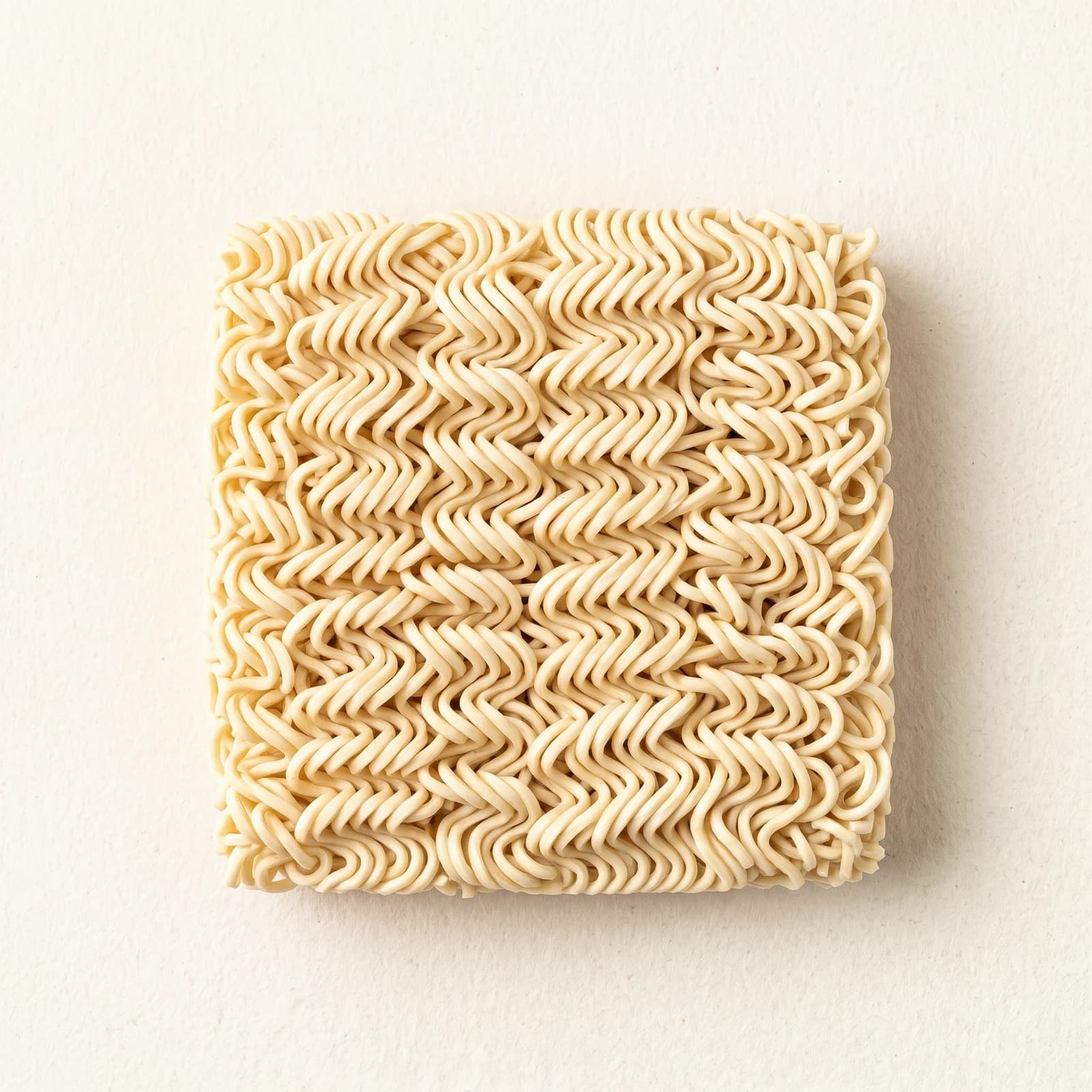
Bulk Instant Noodles, Fried and Non-Fried
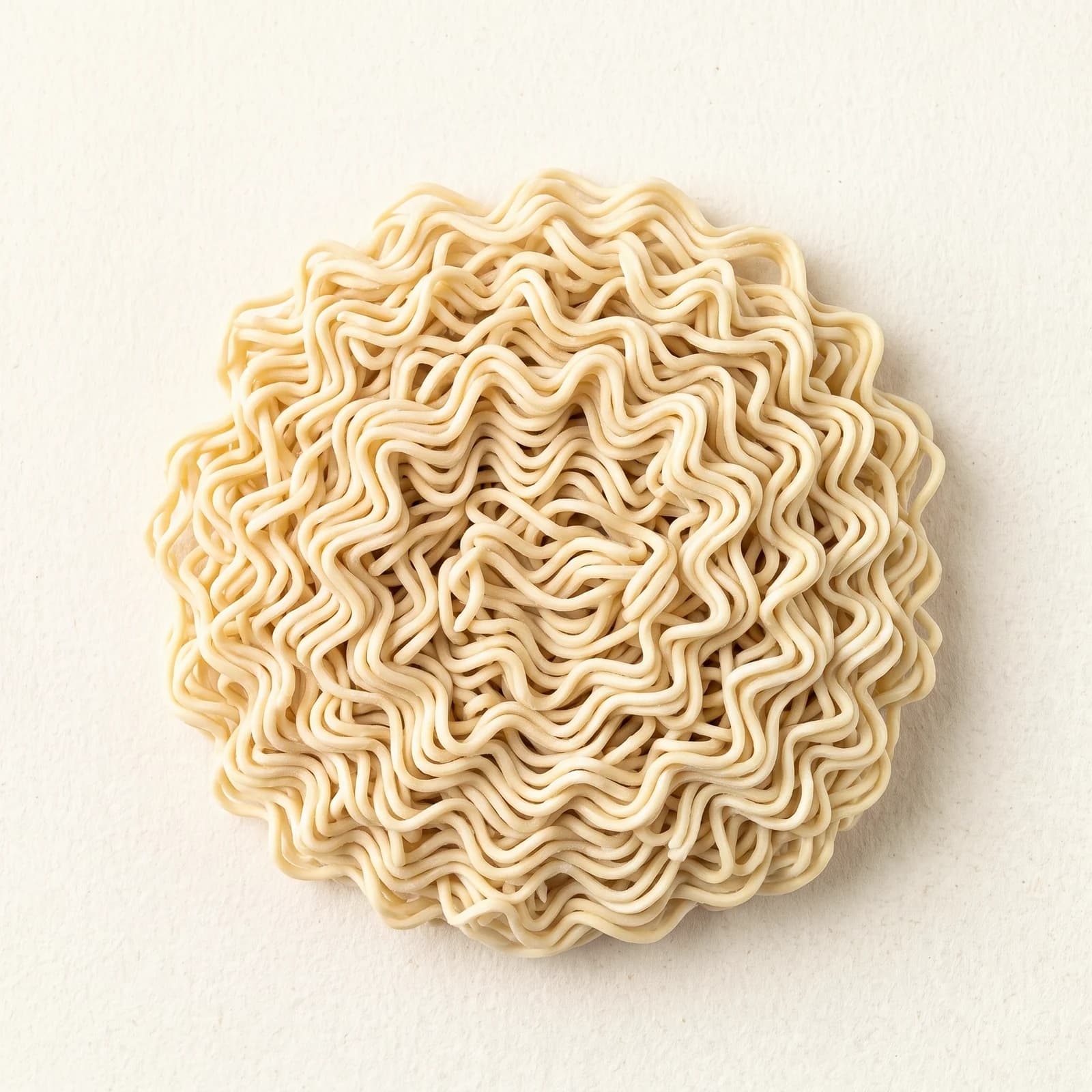
Wholesale Fresh Ramen Noodles, Shelf Stable
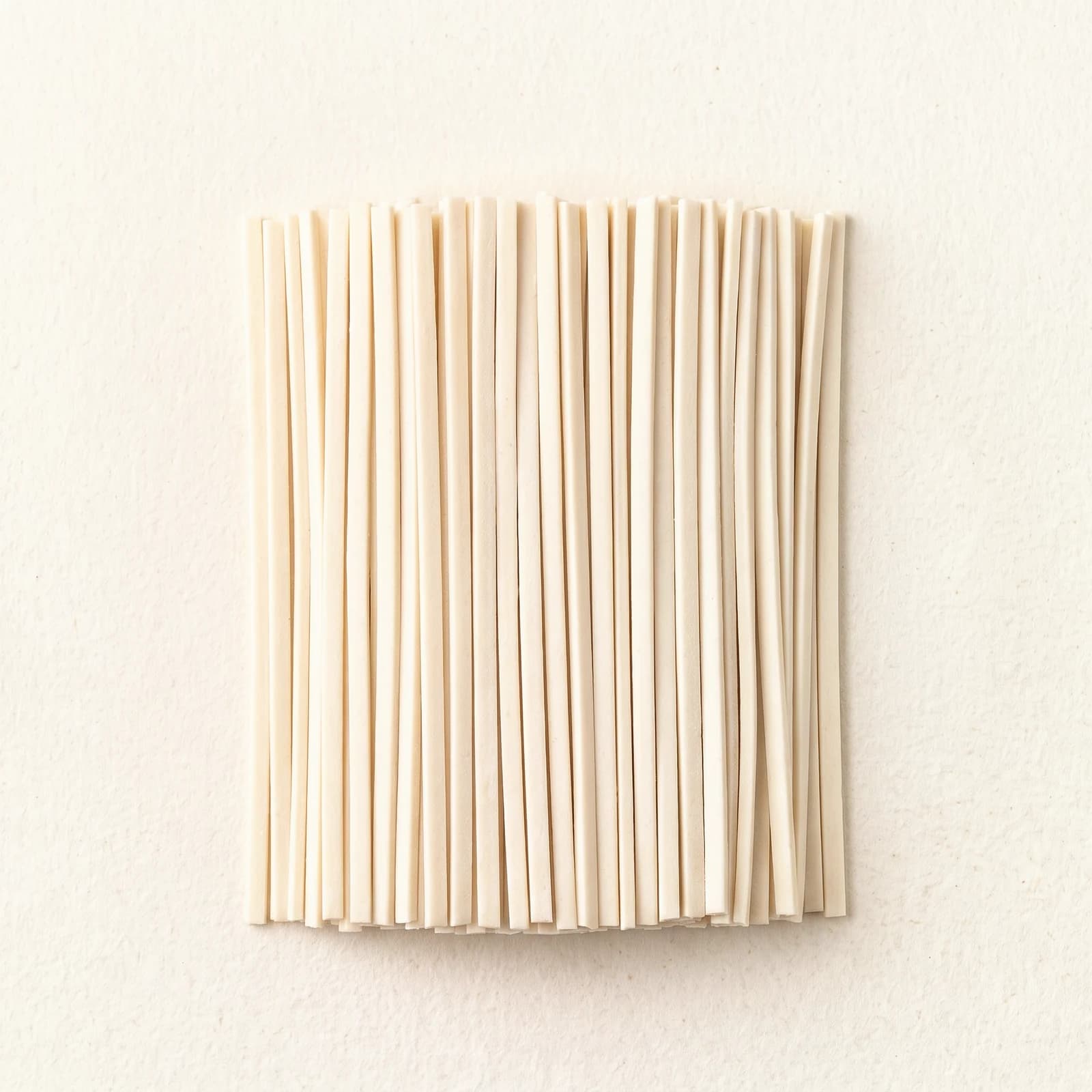
Bulk Dry Udon Noodles
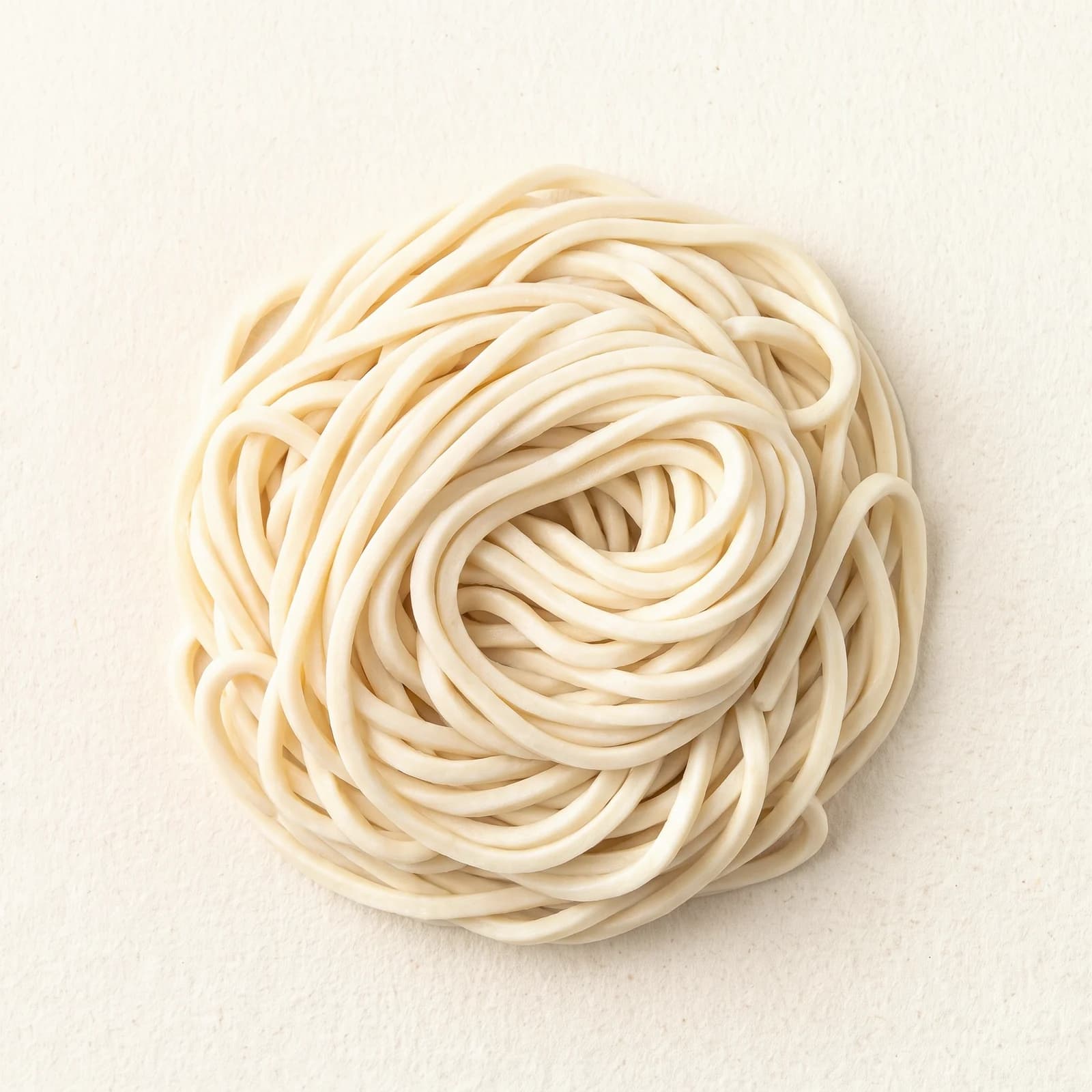
Wholesale Fresh Udon Noodles, Standard and Protein
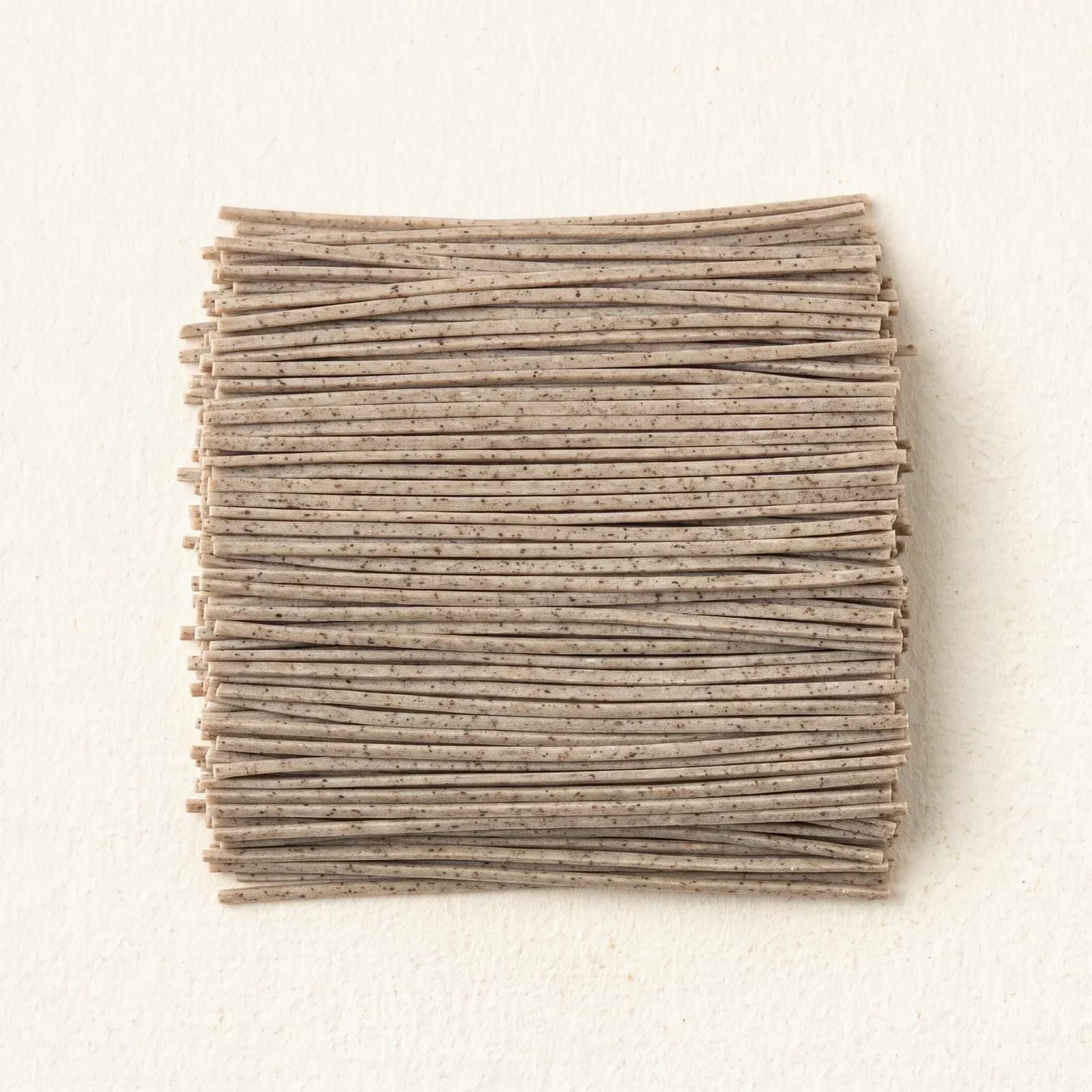
Bulk Soba Noodles, 7.3 to 49 Percent Buckwheat
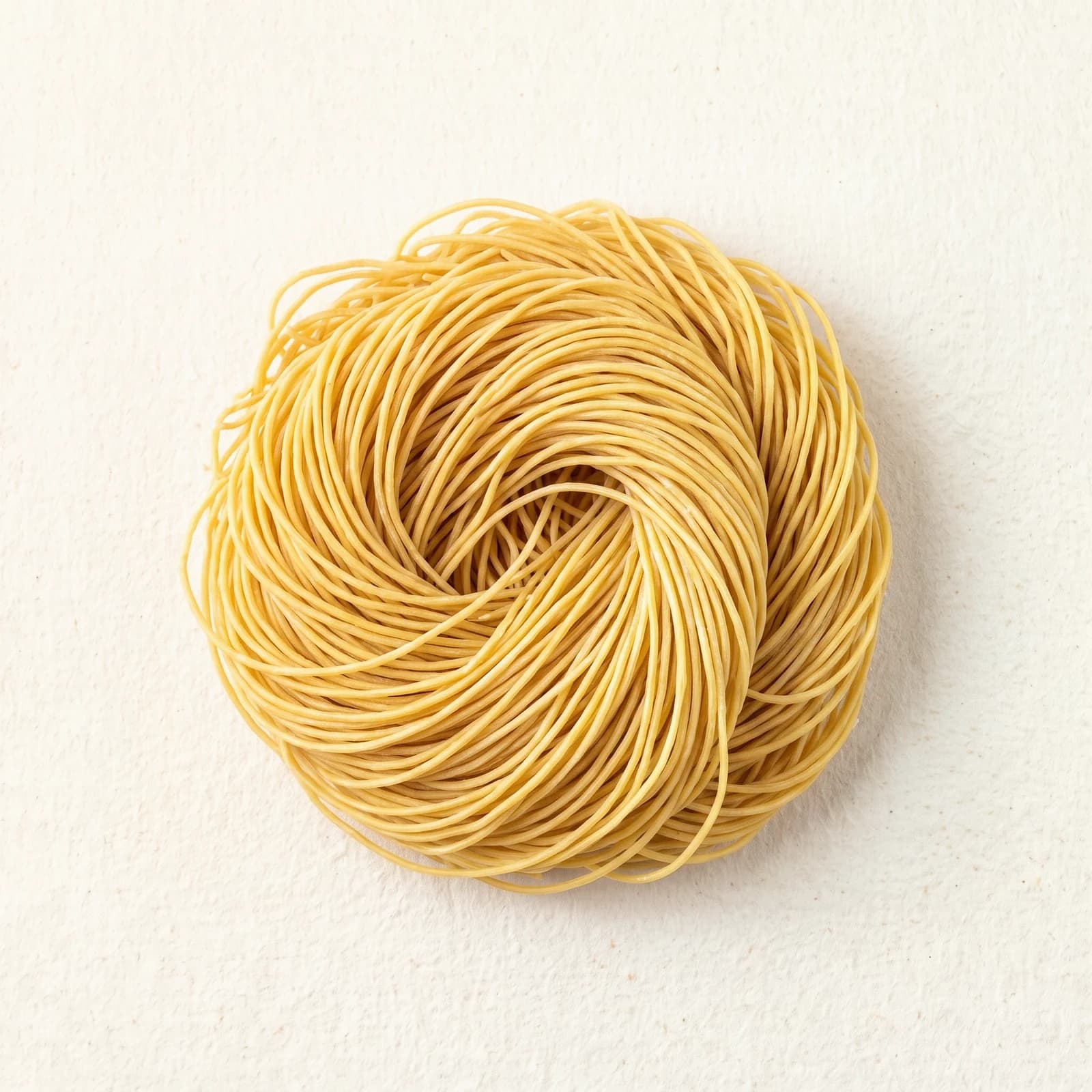
Bulk Lo Mein and Chow Mein Noodles
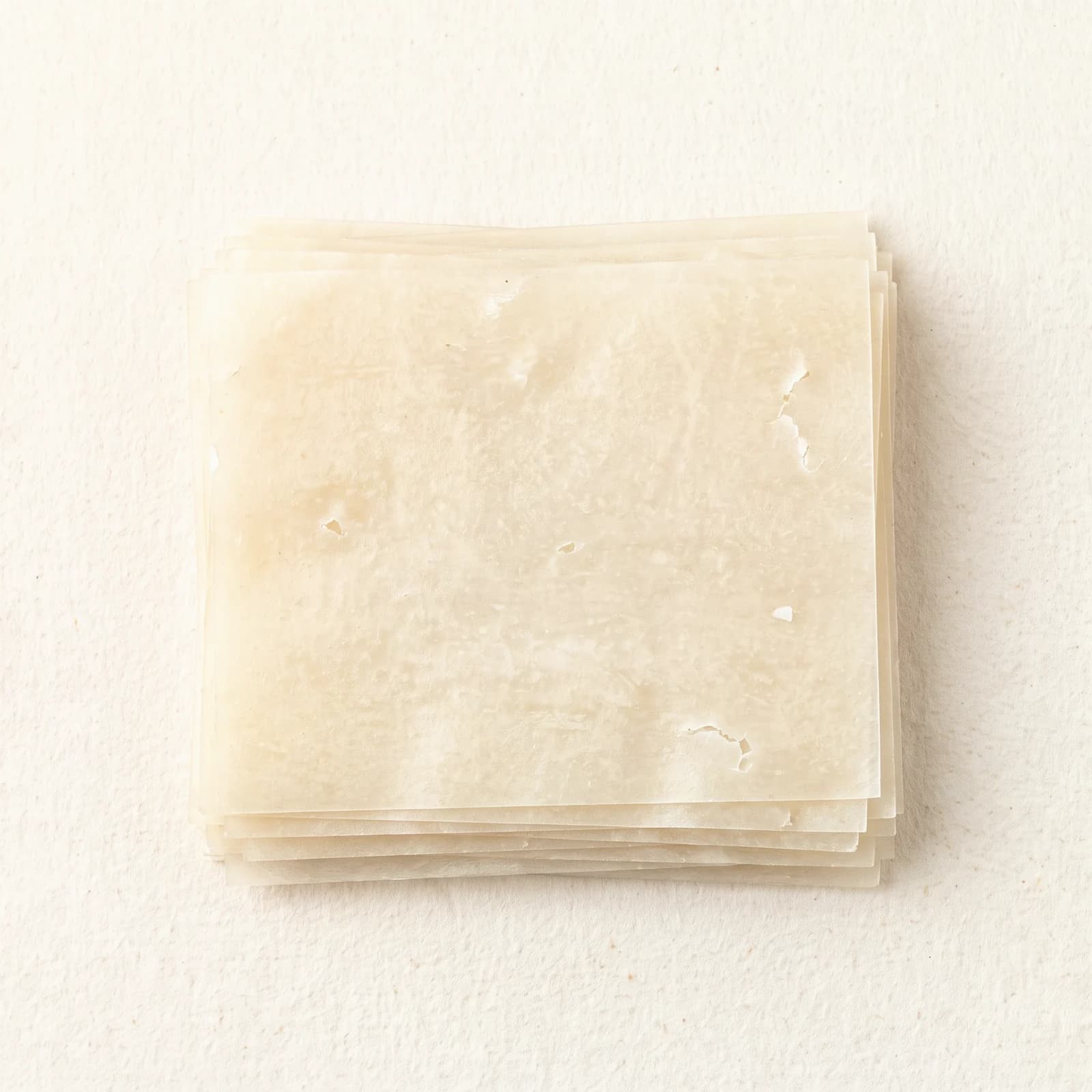
Bulk Rice Noodles, Rice Sticks and Vermicelli
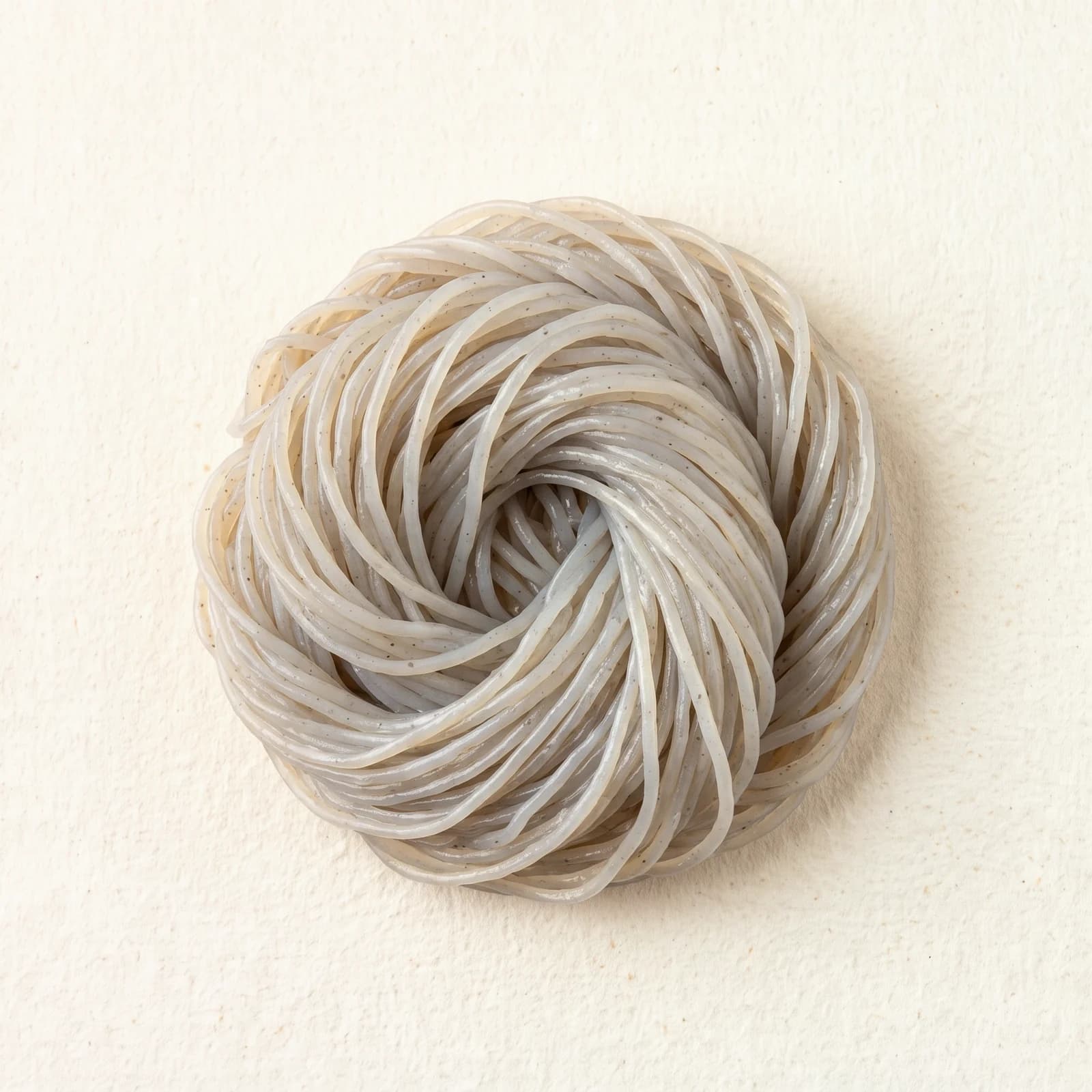
Bulk Konjac and Shirataki Noodles
Dry, Fresh and Instant
Format is the split that changes everything downstream: shelf life, moisture, storage, packaging and who buys the noodle.
Dry
The noodle arrives hard and keeps for two years. It cooks from dry, so the kitchen controls the texture.
Lines
Ramen, udon, soba, lo mein and chow mein, rice noodles and vermicelli
Moisture
About 12 percent
Shelf life
24 months
How it cooks
From dry, so the kitchen controls the texture
Who buys it
Retail multipacks, meal kits, broth-led programs
Fresh
Made at high moisture and packed wet, so the noodle arrives with the bite already in it rather than built in the pot.
Lines
Ramen, udon, soba and Hokkien, plus the protein formulations
Moisture
50 to 75 percent
Shelf life
12 to 14 months
How it cooks
Packed wet, with the bite already in it
Who buys it
Restaurant groups and fresh retail programs
Instant
The noodle is already cooked and dried, so it comes back in the pack or the bowl. Fried and non-fried are two different products: the fat, the sodium and the calories all change between them, and the panel is where a retail reviewer looks first.
Lines
Fried and non-fried cakes, plus cup formats. Fried and non-fried are two products: the fat, the sodium and the calories all change
Moisture
Fried 3 percent, non-fried about 14.5 percent
Shelf life
24 months
How it cooks
Already cooked and dried, it comes back in the pack or the bowl
Who buys it
Retail, where the panel is read first
Cuts run from 1.0 mm to 8.5 mm, and the cut sets how the noodle cooks, how it bites and how long it stands in a bowl before it softens. Buckwheat content, where it applies, runs from 7.3 percent to 49 percent and is stated per line.
Retailers building a private label set start from the panel and the shelf life. Restaurant groups start from the cook and the hold. Brands start from the claim the statement will support. Every noodle here carries its ingredient statement, allergens, shelf life, origin and nutrition per 100 g before you ask, and is quoted against your own pack.
Seven Things You Can Change
Cut and thickness. Widths run 1.0mm to 8.5mm, and each line publishes its own.
Ingredient specification. Including gluten content, and the flour and water balance behind it.
Allergens. Formulated around the allergen set your market or customer requires.
Flavoring and seasoning. On the lines that carry it, which is most dry and instant product.
Protein content. Wheat gluten and pea protein. Fresh udon goes from 3g to 11.4g per 100g; dry instant lines reach 21g.
Packaging format and pack size. Bulk or individual wrap, and the case configuration that goes with it.
Retail or foodservice pack. Pillow packs, cups and multipacks for retail. Bulk cases for foodservice.
What to Check Before You Commit
Cook Performance and Hold
How the noodle behaves in broth, on a steam table or in a sealed tray, and how long before texture fails. The restaurant group's and the prepared-meal plant's first question; a retail buyer rarely tests it.
Label Outcome
What the finished US panel and ingredient statement will read: sodium, fat, allergens, additives, colors, and which claims are lawful. The retail private label buyer's and the emerging brand's first question, because the claim is the product.
Shelf Life and Storage Condition
Total life, and whether the noodle needs a freezer, a chiller or a dry shelf. It decides the retailer's receiving spec and the institutional buyer's freezer budget.
Cost per Finished Portion
Dry weight, breakage and cook labor together, not price per case. Foodservice, restaurant groups and meal-kit assemblers buy on this; retail buys on price per unit.
Documentation Available Before You Commit
Specification, certificate of analysis and factory audit status published per noodle, and what else is on file. The retail buyer's onboarding gate and the brand's route to its own retail accounts.
Room to Change the Noodle
Cut, ingredient specification, allergens, seasoning, protein, pack format and retail or foodservice pack. The emerging brand's and the restaurant group's reason to inquire; the institutional bidder wants the spec matched and nothing changed.
Where These Go
Retail Private Label
Instant ramen in pillow packs and cups leads, where the price point is set by the national brands.
Emerging Brands
The non-fried instant block on its own, with the seasoning story built around it.
Meal-Kit and Prepared Meals
The noodle is a component.
Restaurant Groups
One specification arriving the same way in every unit.
Institutional and Contract
Dry, long life and low case price on bid, and the first question is whether the documentation exists.
Pacific86 Is the Sister Company of Source86.
- Pacific86 runs on the same supplier network and the same audited vendors as Source86.
- Our team works on the ground in the countries where your product is made.
- The same FSQA team reviews the documentation for your order.
- Audited vendors
- 86
- BRCGS grade
- AA
- Countries with our team on the ground
- 15
- On-time delivery
- 98%
Questions Buyers Ask
+What changes between dry, fresh and instant?
Moisture, and everything moisture decides. A dry noodle sits at about 12 percent and holds 24 months. A fresh noodle is made at 50 to 75 percent and holds 12 to 14 months. An instant cake is dried again, to 3 percent if it is fried and about 14.5 percent if it is not, and the two read differently on fat and sodium. Each product page publishes its own figures and the storage condition its document states.
+What cuts can you run, and what does each do to cook time?
Widths run 1.0 mm to 8.5 mm, and each line publishes its own. A thinner cut cooks faster and softens faster once it is in the bowl; a thicker one holds its bite on a steam table and through a delivery. We do not publish a cook time per product, because a cook time depends on your kitchen and your pack as much as on the noodle. Tell us the service and we will run it against your own conditions.
+How is a protein noodle built?
By rebuilding the dough rather than adding a topping. Wheat gluten and pea protein go into the formulation, and on fresh udon that takes the panel from 3 g protein per 100 g to 11.4 g. The full statement publishes on the product page, in order, so you can see exactly what the claim rests on before you commit to one.
+Can you private label any of these?
Yes, and most of what we supply is developed that way. The ingredients, the formulation, the cut, the flavoring where a line carries it, the protein content, the pack format and the pack size are all specified around your program.
+Where do they come from, and why does that matter when a tariff moves?
Every product page publishes the origin its document states, which is the figure that matters when a duty changes on a country rather than on a product. We work across more than one origin, so a program can be re-sourced rather than repriced, and we would rather tell you which line moves than send one number for the whole range.
Tell Us the Pack and the Volume
Every quote is run against your own specification rather than against a list price, so the more you can say about the cut, the pack and the program, the more useful the first reply is.