Bulk and Private Label Sauces and Pastes
Soy, fish and oyster sauce, Thai curry paste, sriracha, sweet chili and finished cooking sauces, at 13 to 24 months by line.
Salt, Acid, Salt and Oil
Every sauce in the Asian pantry is kept on the shelf by one of three things, and which one decides what a buyer has to ask.
Salt
The questions are how it was made and what the nitrogen grade is, and the fish sauce records state nitrogen in grams per litre and salt as a percentage.
Keeps
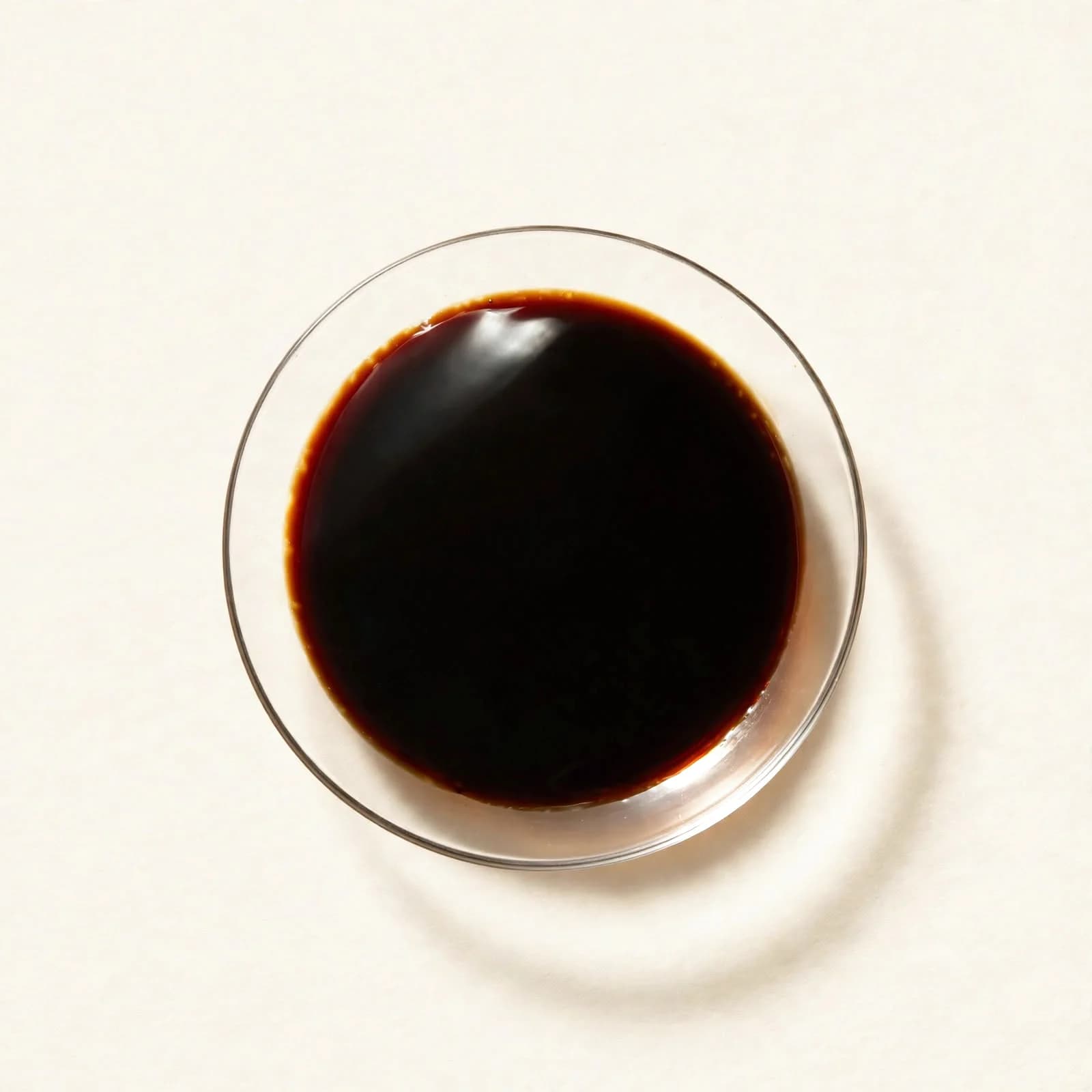
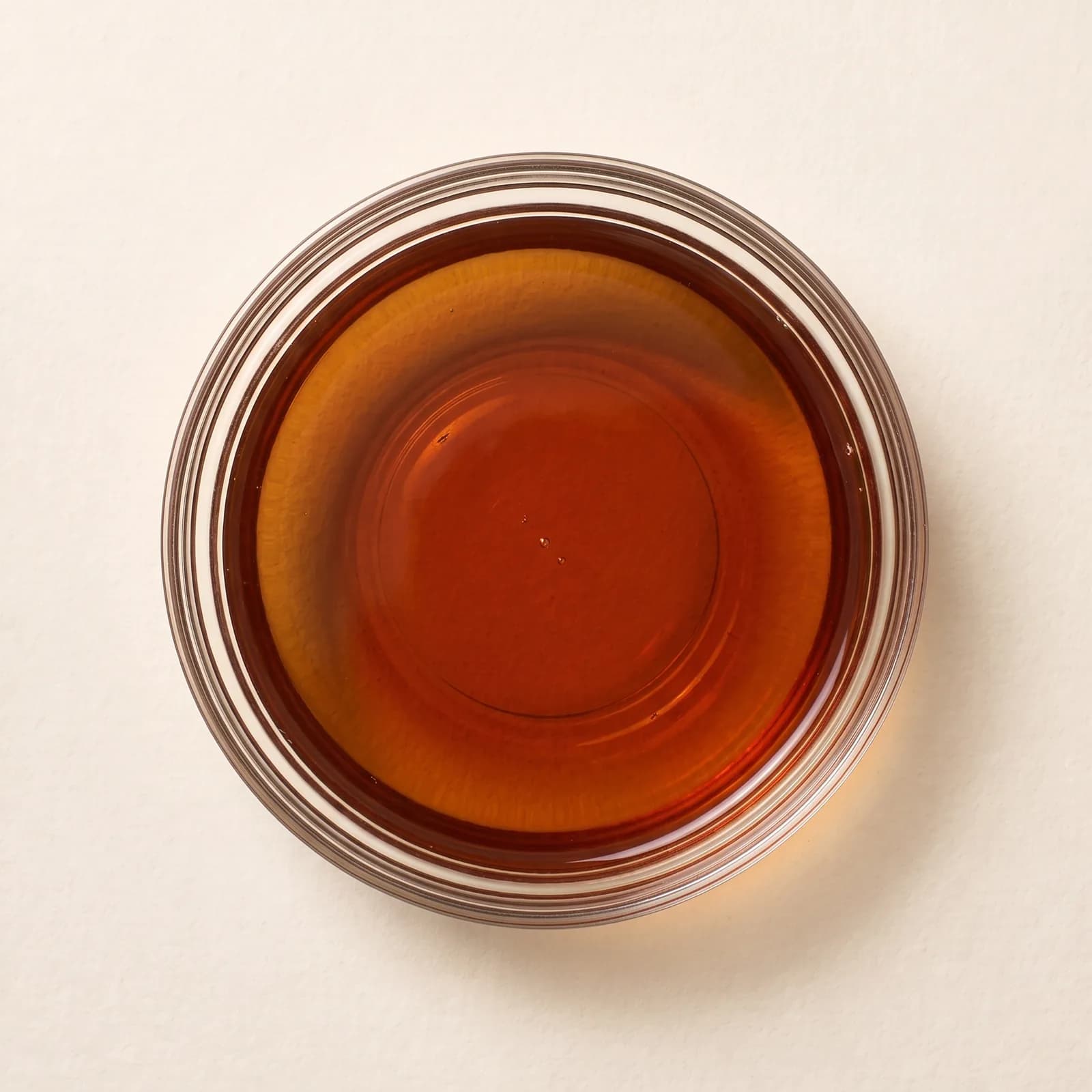
Soy sauce, tamari and fish sauce
The question
How it was made, and the nitrogen grade
On the record
Fish sauce: nitrogen in grams per litre, salt as a percentage
Acidified food
Kept by salt and fermentation
Acid
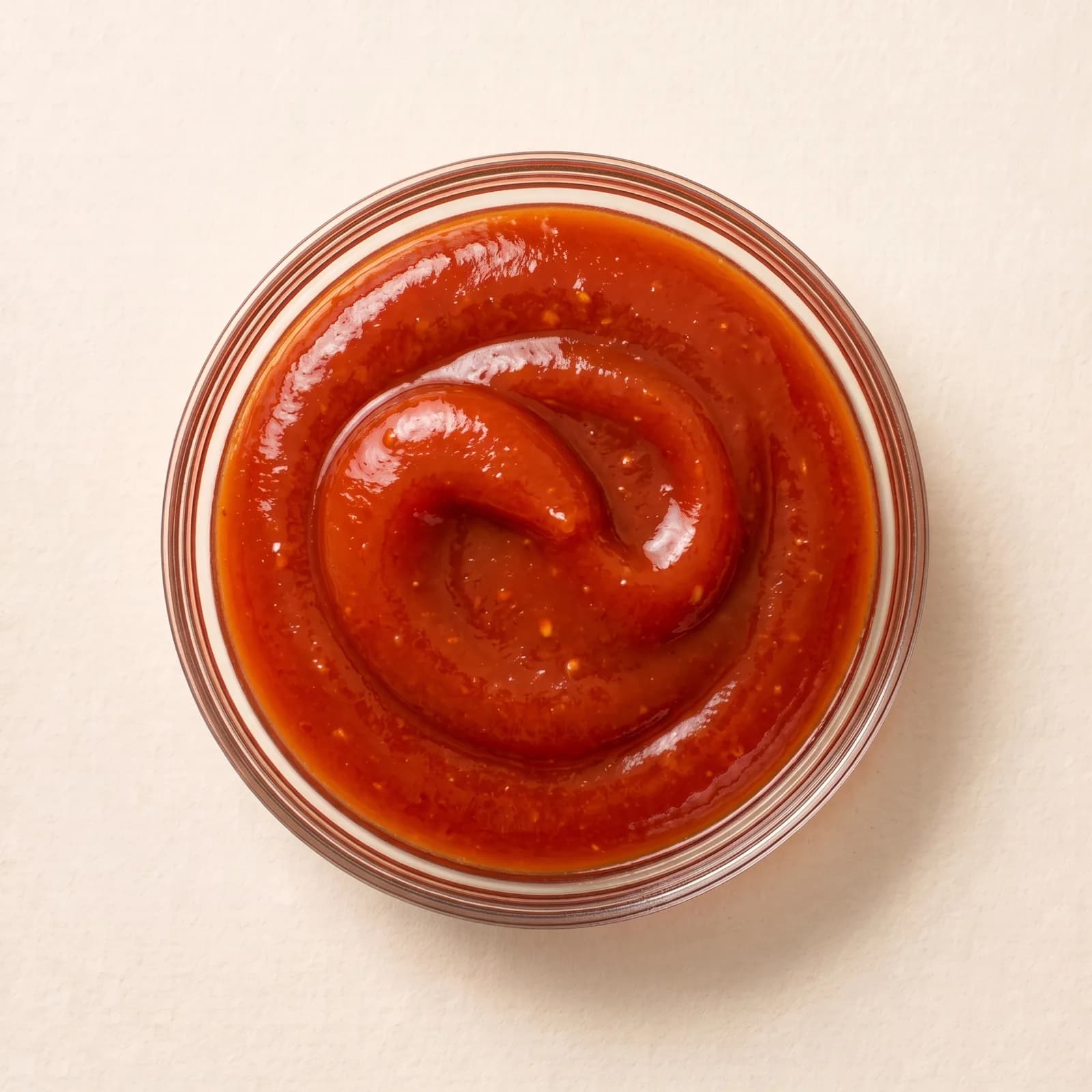
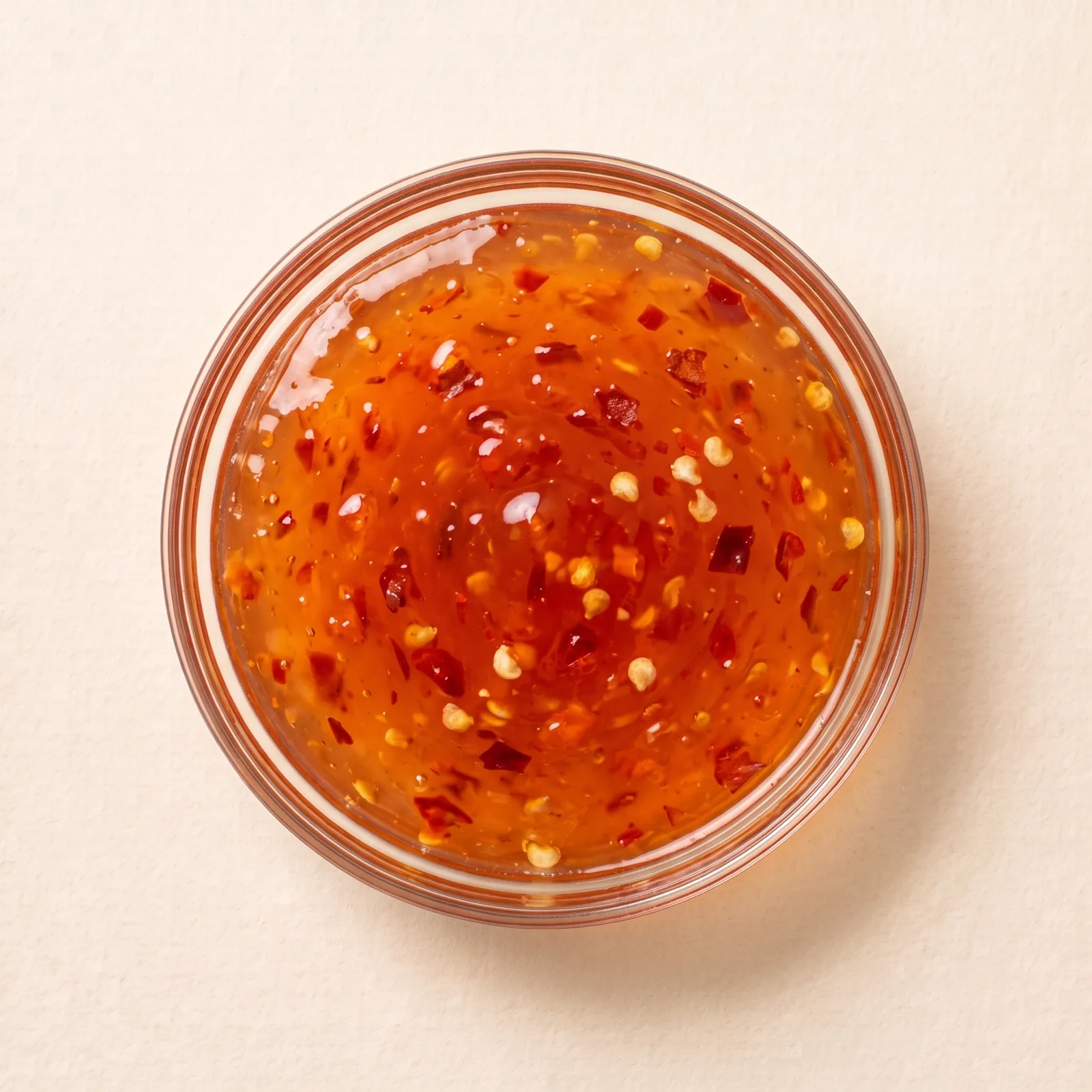
Acid keeps sriracha, sweet chili and most hoisin and duck sauce, so the question is the pH and the process filing behind it.
Keeps
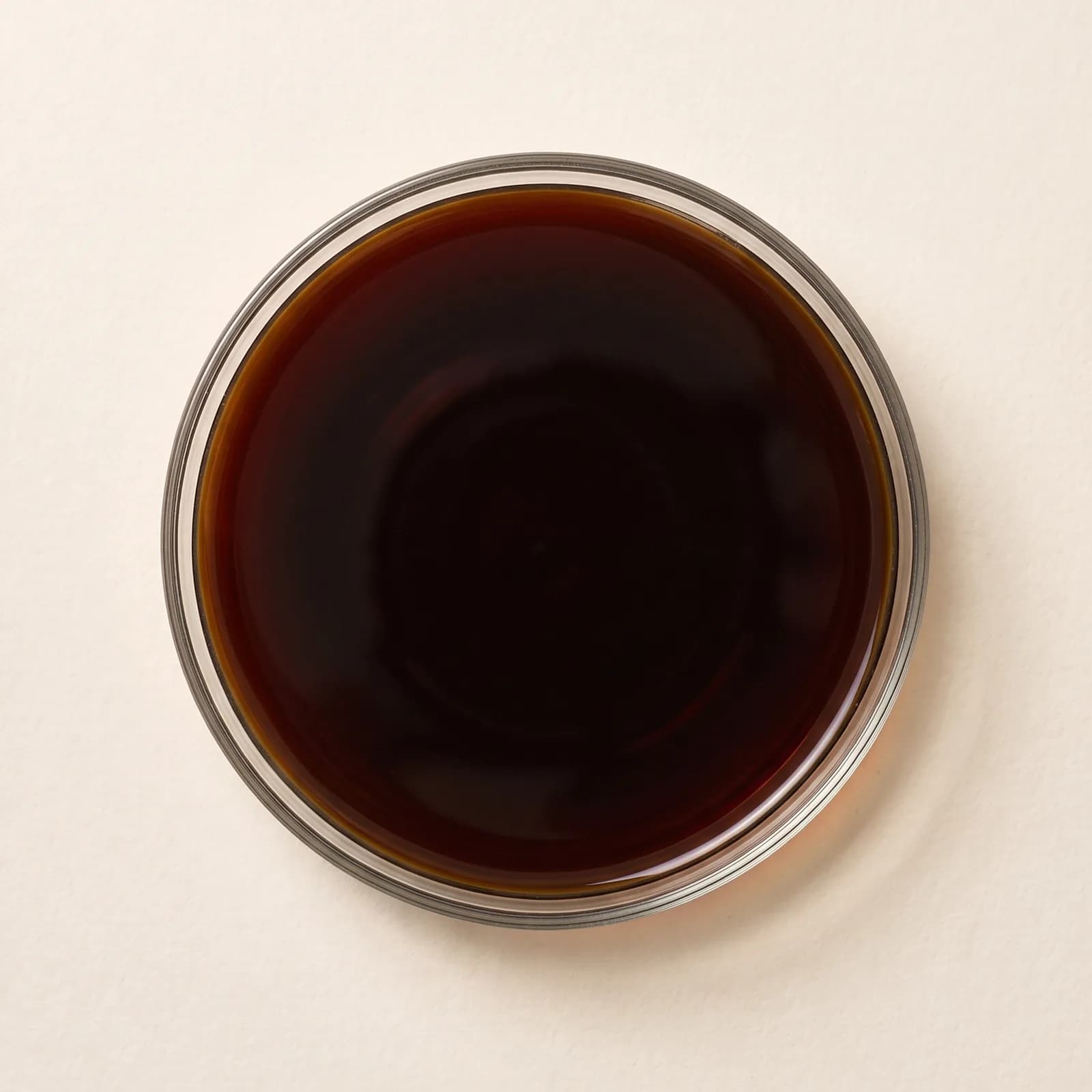
Sriracha, sweet chili and most hoisin and duck sauce
The question
The pH, and the process filing behind it
On the record
The pH range, and the acid as acetic
Acidified food
Kept by acid, like a chili sauce
Salt and Oil
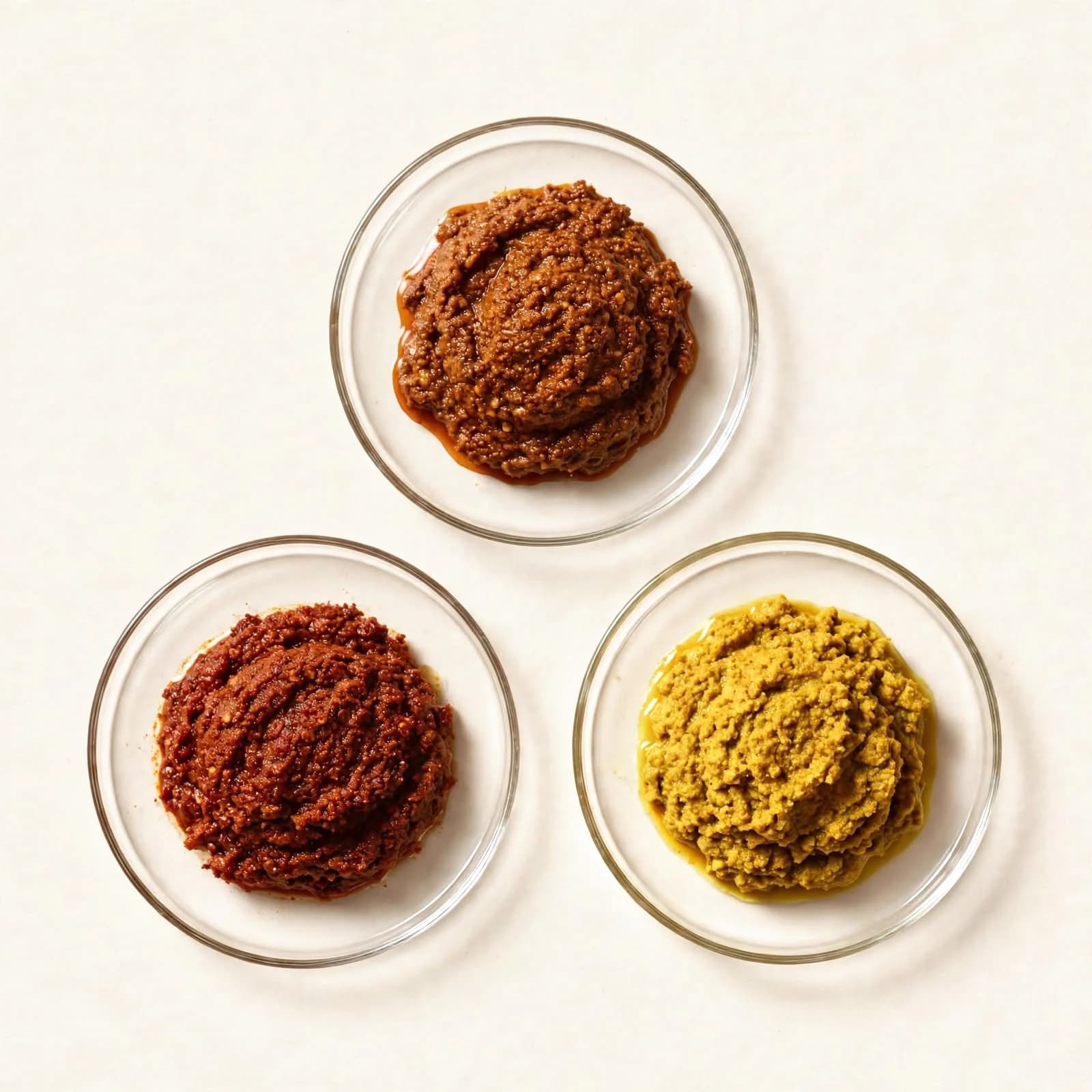
Salt and oil keep a curry paste, which is why a paste is not an acidified food the way a chili sauce is.
Keeps
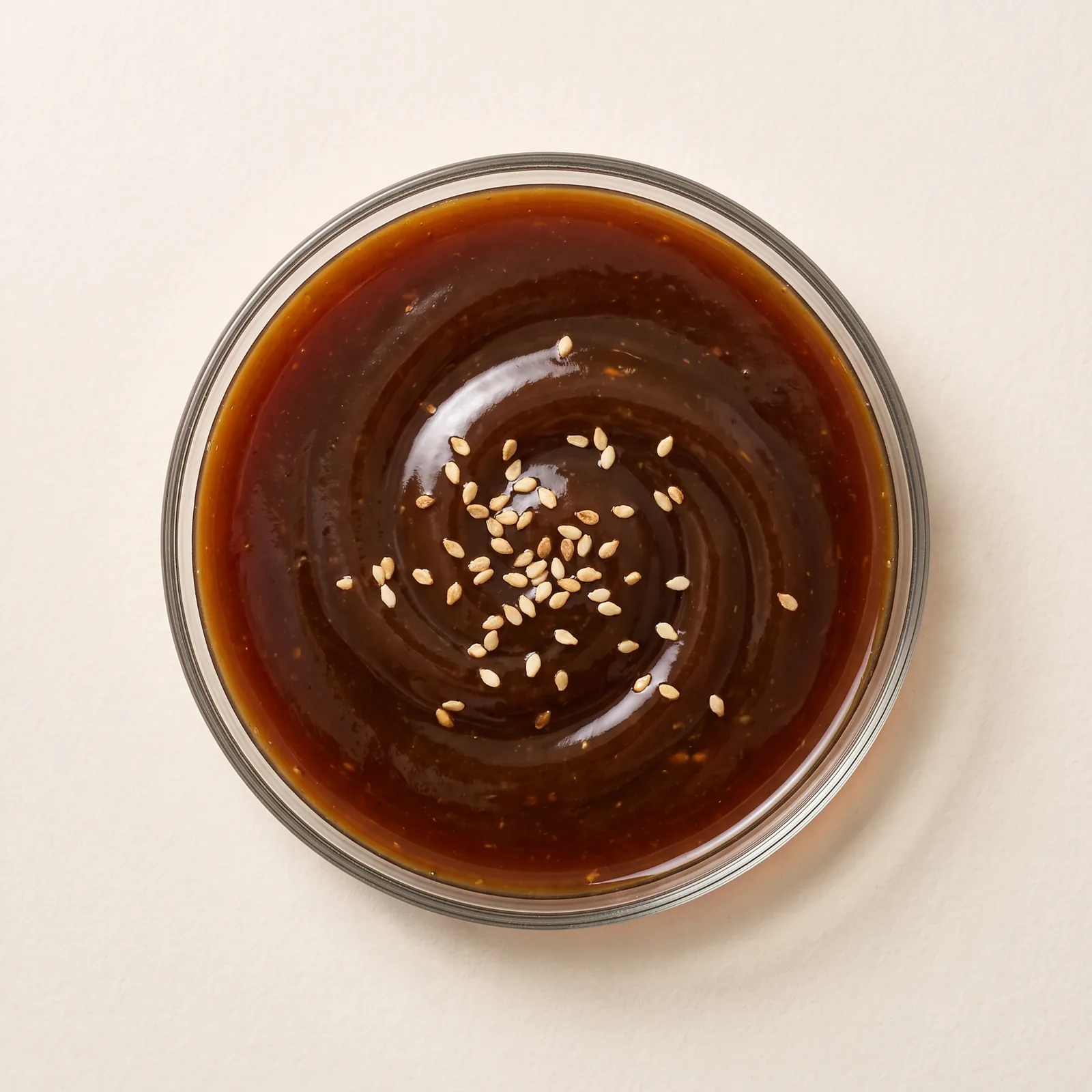
Curry paste
The question
Whether it carries shrimp paste
On the record
Shrimp paste makes it a crustacean allergen and not vegetarian
Acidified food
Not an acidified food the way a chili sauce is, because salt and oil keep it
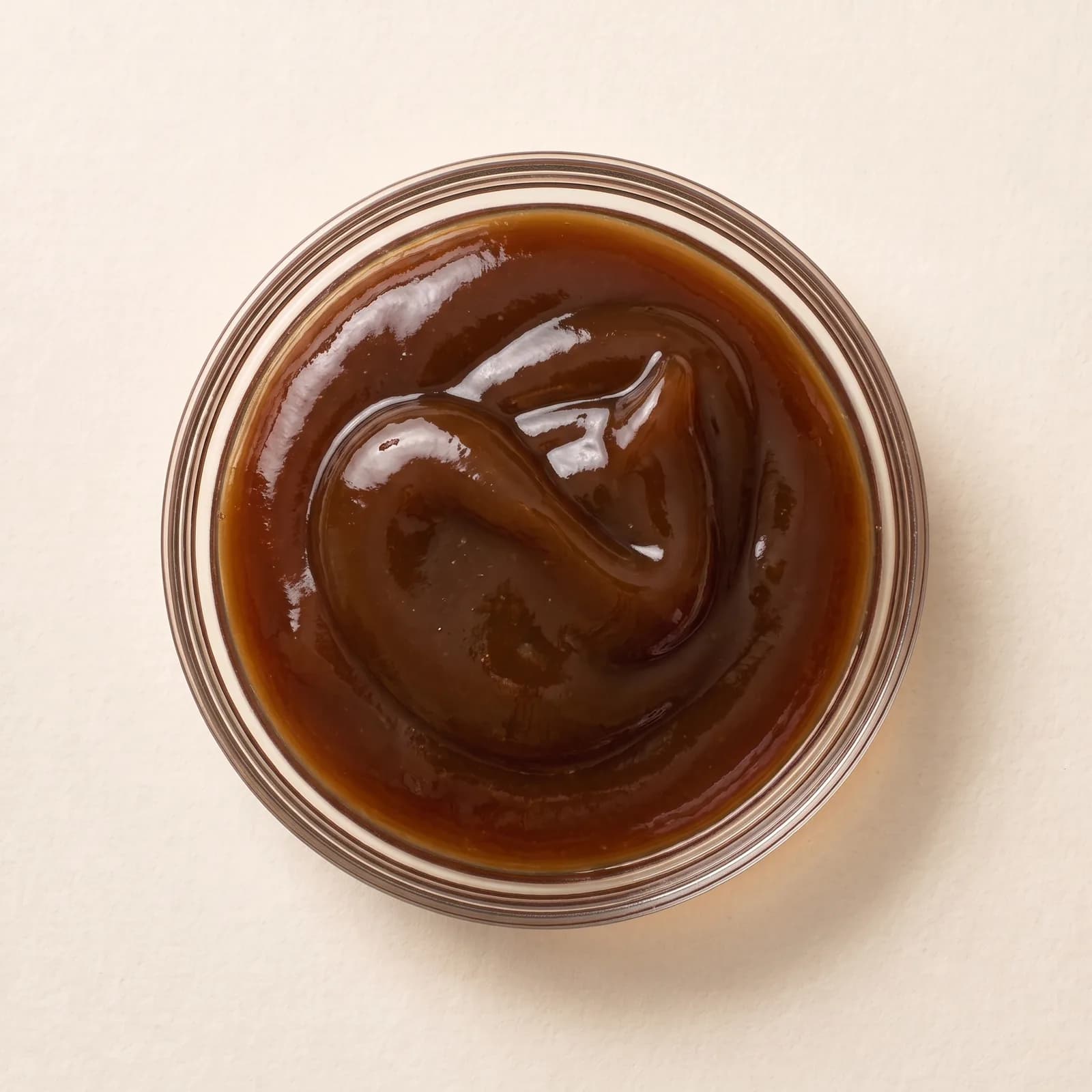
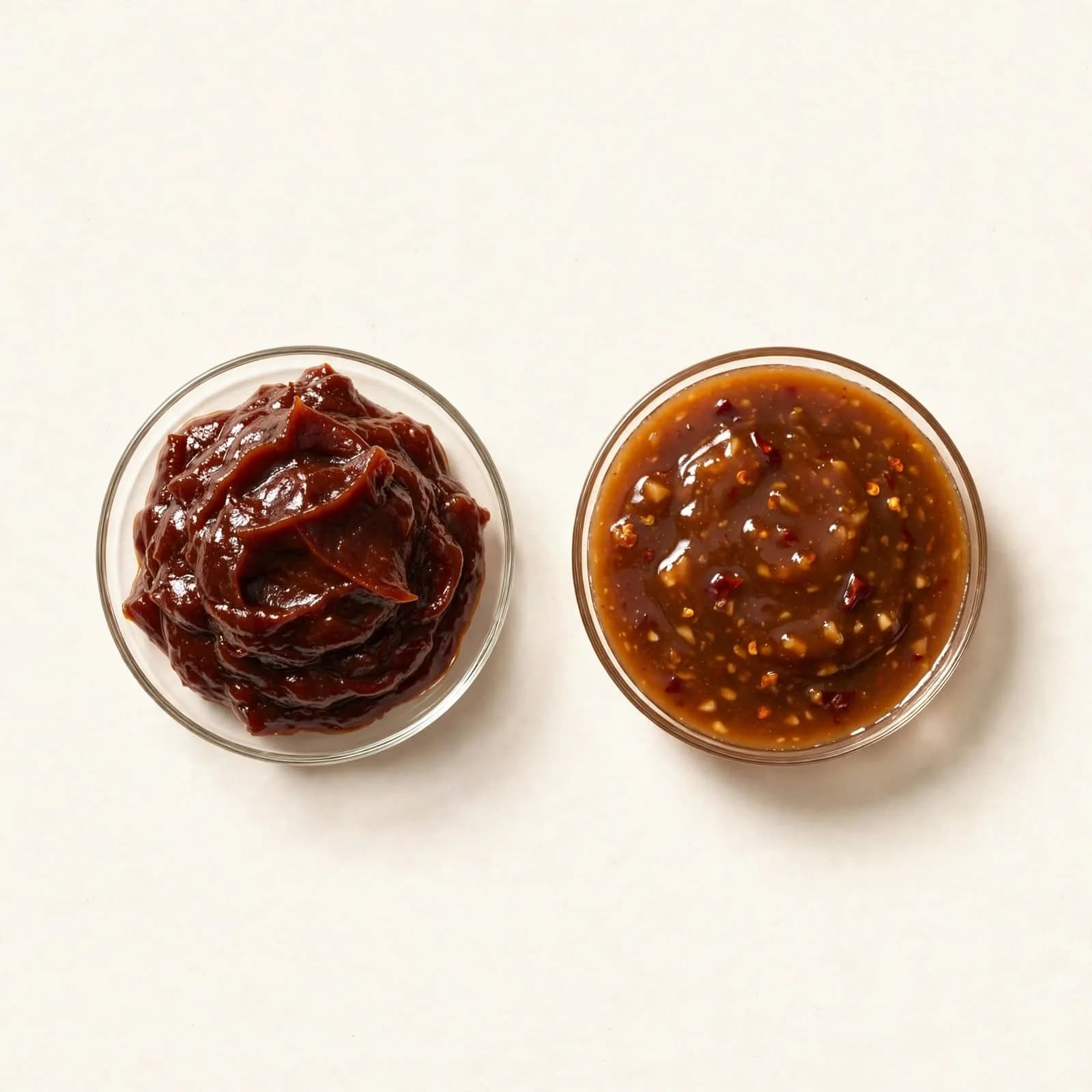
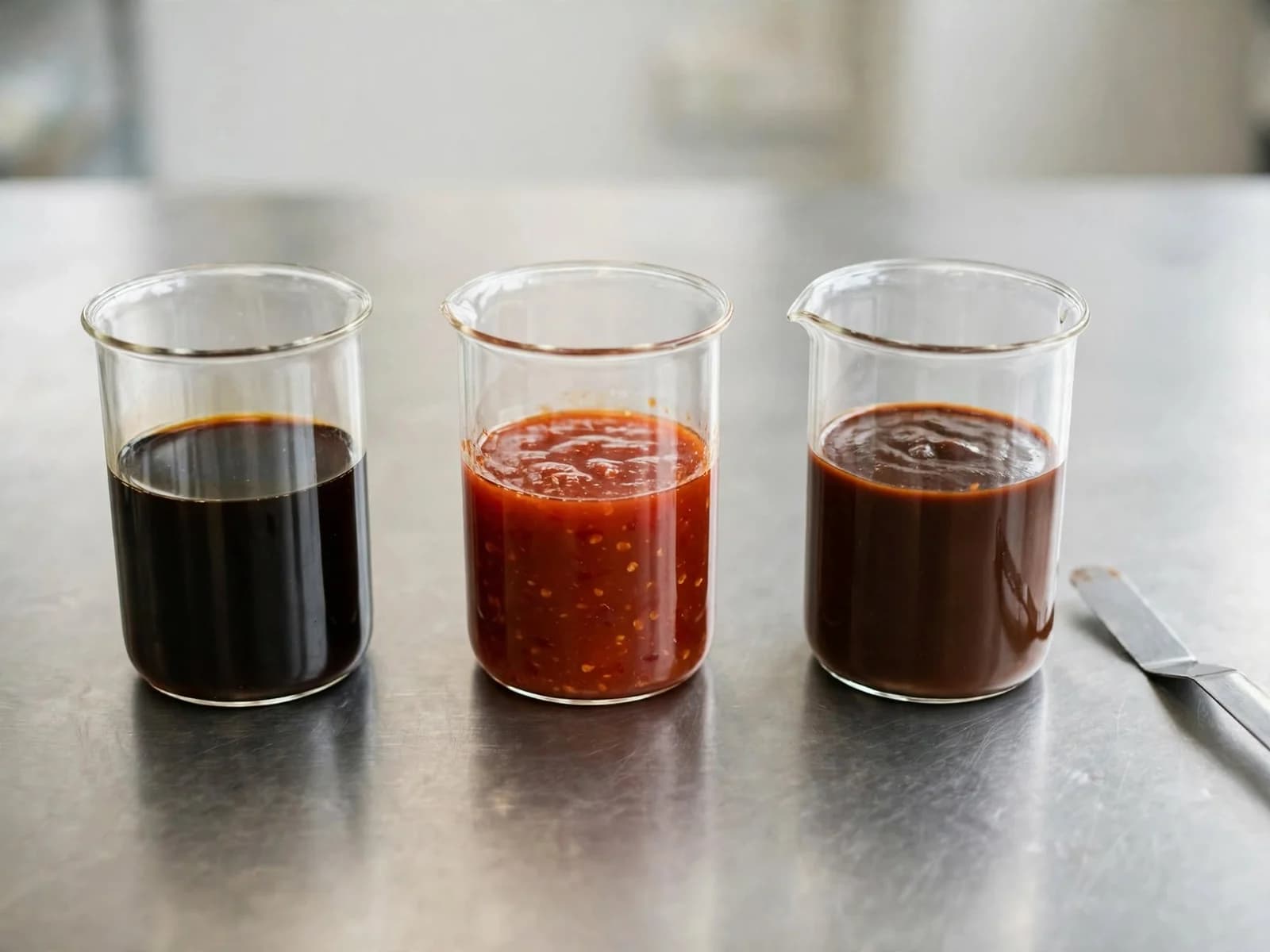
The range runs soy sauce, tamari and teriyaki, fish sauce and oyster sauce, Thai curry pastes, sriracha and sweet chili, and the finished cooking sauces: hoisin, kung pao, stir-fry, an Asian-style BBQ sauce and duck sauce. Shelf life runs 13 to 24 months by line.
Retail comes in 150 to 250 ml. Foodservice comes in larger formats, and curry paste is sold by weight and has its own tiers. The formulation does not change with the pack unless a line says so.
A restaurant group buys the finished sauces as a range: several lines, one lead time, one file. A private label team reads the sweetener, the color and the preservative before the price. An emerging brand starts from a claim, a two-ingredient fish sauce or a sulfite-free sriracha, and needs the statement that proves it. Every line publishes its specification before you ask and is quoted against your own pack.
What You Can Change
Viscosity and texture. Thin, pourable or spoonable.
Base and processing. Brewed or blended soy, a wheat-free tamari base.
Allergen specification. Wheat-free, fish-free, a shellfish-free curry paste.
Heat, sweetness and flavor profile. Chili level, Brix target, garlic, ginger.
Sodium and clean-label targets. Reduced salt, no added MSG, no caramel color.
Container and closure. PET, glass, jug, bag-in-box or pail.
Retail, foodservice or bulk manufacturing pack, and private label.
What to Check Before You Commit
How It Is Kept Shelf-Stable, and the Filing Behind It
The QA team at a retail private label program or a manufacturer asks this before anything else. A foodservice group asks it the day the health inspector does.
Clean-Label Fit
Preservative, sweetener, color and flavor enhancer: the retail private label buyer has a published standard and will not fight for an exception, and the emerging brand's positioning depends on it. Foodservice rarely asks unless the menu says so.
Analytical Consistency Lot to Lot
The foodservice group's culinary team has a signed-off spec, and an out-of-tolerance drum tastes different in 300 units. The manufacturer asks for the same reason; the emerging brand less so.
Pack Format and Freight
The emerging brand needs small retail runs; the foodservice group needs the large formats and the pails and does not care about the bottle. The private label buyer needs to know whose bottle it is.
Allergen and Cross-Contact Statement, per Product
Fish, crustacean, wheat, soy and sesame all appear across the range. Any buyer with an allergen-restricted line filters on this first.
Origin and the Tariff Line Behind It
Procurement at every buyer type now models duty by origin, because a sauce single-sourced from one country is a tariff exposure. A second origin behind a line is a selection criterion where one exists.
Where These Go
Restaurant Groups
Soy sauce, oyster sauce and stir-fry sauce by the jug as the base of house sauces and wok cooking, fish sauce as the seasoning backbone of Thai and Vietnamese menus, and sriracha for the table.
Thai and Pan-Asian Kitchens
Curry paste by the pail, with their own coconut milk and protein added.
Retail Private Label
Soy sauce, sriracha, sweet chili and stir-fry sauce, with the sweetener, the color and the preservative read before the price.
Emerging Brands
A start from the claim, and the statement behind it: a tamari whose ingredients list no wheat, a fish sauce with no preservative named, a sriracha with no sulfite named.
Manufacturers
Soy sauce, fish sauce and sriracha as flavor systems for frozen entrees, jerky, dressings, snacks and plant-based meat.
Pacific86 Is the Sister Company of Source86.
- Pacific86 runs on the same supplier network and the same audited vendors as Source86.
- Our team works on the ground in the countries where your product is made.
- The same FSQA team reviews the documentation for your order.
- Audited vendors
- 86
- BRCGS grade
- AA
- Countries with our team on the ground
- 15
- On-time delivery
- 98%
Questions Buyers Ask
+What keeps each sauce shelf-stable, and why does it matter to me?
Salt and fermentation on soy, tamari and fish sauce. Acid on sriracha, sweet chili and most hoisin and duck sauce. Salt and oil on a curry paste. It matters because it decides which questions your QA team has to ask, and because changing the salt, the pH or the preservative on an acid-stabilized sauce can change the process behind it. Each line publishes the basis its own document states.
+Is oyster an allergen on a US label?
Molluscan shellfish are not among the nine US major allergens, so an oyster sauce can be declared with none of them present. We state that it contains oyster extract anyway, because a buyer who sees an empty allergen row beside the word oyster will not trust the next row either. The vegetarian oyster sauce exists for menus that treat oyster as an allergen regardless.
+Does the curry paste contain shrimp paste?
It is stated per paste, and it is the first thing to check. Shrimp paste makes a curry paste a crustacean allergen and not vegetarian, and the two are separate questions for a menu. The massaman record publishes its full ingredient statement in label order with percentages, and the red and yellow publish the same way from their own sheets.
+Which sauces carry a preservative, and which do not?
The record names it. Potassium sorbate, sodium benzoate and acetic acid all appear across the chili and cooking sauces, and some lines carry none. It is one line on your ingredient statement and it is where a natural-channel review stops, so it publishes in the table rather than being described for the range.
+Can you quote several sauces together?
That is how most of this category moves. A restaurant group taking hoisin, stir-fry, kung pao and an Asian-style BBQ sauce is buying one lead time and one file rather than four suppliers. Tell us the lines and the pack and we quote them as a range.