Bulk Tamari Soy Sauce for Wholesale & Commercial Supply
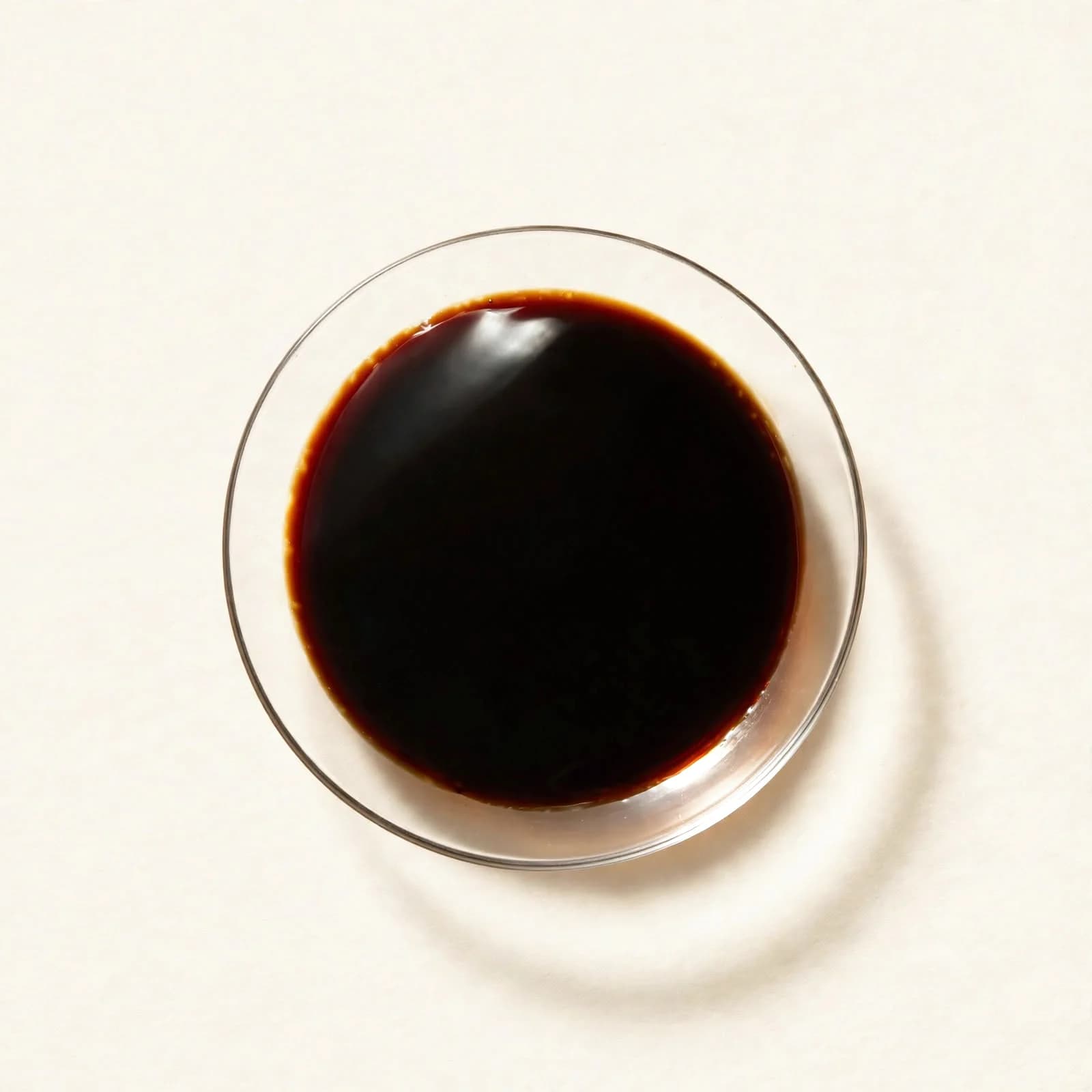
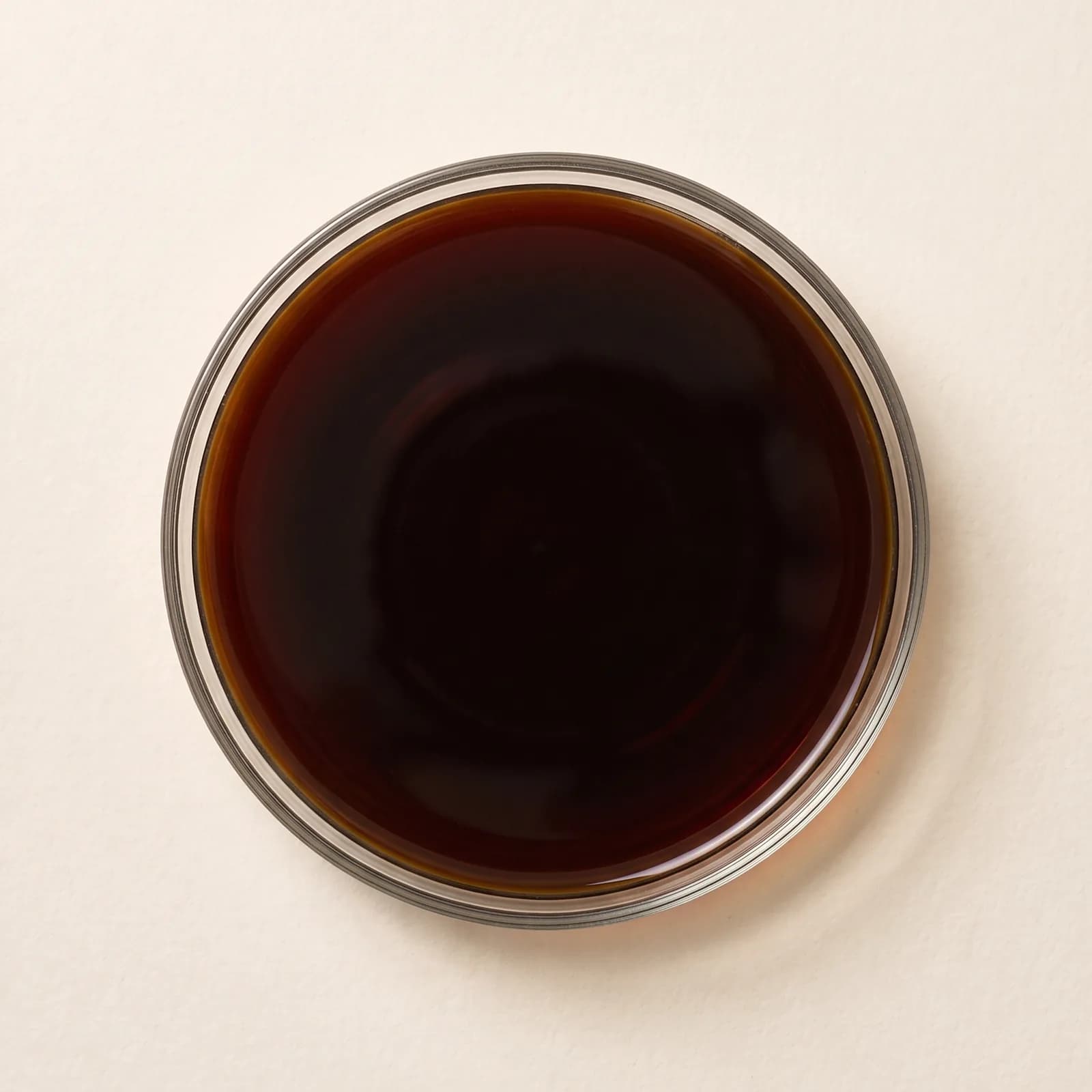
Tamari is the soy sauce a kitchen reaches for when wheat has to stay out of the ingredient list. The published line names water, defatted soybeans, soybeans and salt, and nothing else.
It is made by koji making, fermentation, pressing and filtration. The sheet states salt, pH and total nitrogen as limits, so a delivery can be held to them.
We supply it in bulk to kitchens and plants, or bottled under your own label.
- Multi-origin
- US inventory
- Open specs
- No brokers
Types We Offer
Soybean Tamari
Water, soybeans and salt, 24 months, in 200 ml glass.
Soybean and Rice Tamari
A tamari made with soybeans and rice, from Thailand, in PET or glass from 150 to 740 ml. Its specification comes with your quote.
Specifications
- Processing method
- Koji making, fermentation, pressing, filtration
- Ingredients
- Water 54.0%, defatted soybeans 24.0%, soybeans 8.0%, salt 14.0%
- Allergens
- Contains: soy.
- Salt
- 15.5-17.5 g/100 ml (limit)
- pH
- 4.60-5.20 (limit)
- Total nitrogen
- ≥1.50 g/100 ml (limit)
- Shelf life
- 24 months
- Storage and opened handling
- Dry and cool place.
- Origin
- China
- Pack format
- 200 ml glass bottle
- Microbiological
- Total bacterial count ≤10,000 CFU/ml (limit); coliform bacteria <30 MPN/100 ml (limit); pathogenic bacteria not detected (limit)
Where It Goes
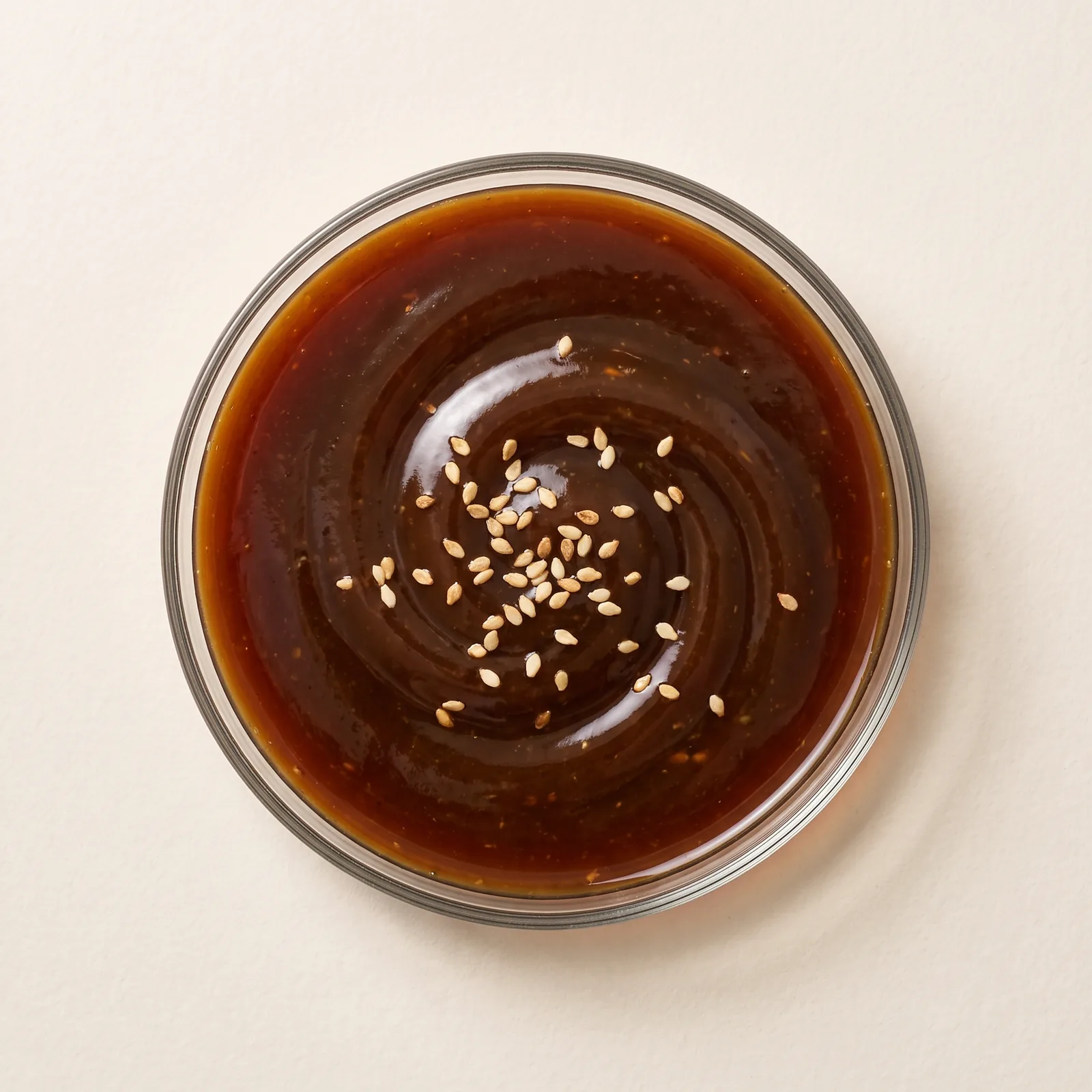
A finishing soy for sashimi, poke and rice bowls, and the soy in a dressing or dipping sauce whose formula leaves wheat out.
Food manufacturers use it as the soy note in marinades, jerky and plant-based products built without wheat.
What You Can Change
- Base. Soybeans alone as published, or soybeans with rice.
- Salt. 15.5 to 17.5 g per 100 ml as published, or a lower-salt target.
- Nitrogen. At least 1.50 g per 100 ml as published, or a richer grade.
- Container. 200 ml glass as published, or PET from 200 to 740 ml.
Private Label
Keep soybeans alone, as published, or add rice, and set the salt to your target. In glass or PET, your tamari carries your label, with the ingredient statement printed as you approve it.
Pacific86 Is the Sister Company of Source86.
- Pacific86 runs on the same supplier network and the same audited vendors as Source86.
- Our team works on the ground in the countries where your product is made.
- The same FSQA team reviews the documentation for your order.
- Audited vendors
- 86
- BRCGS grade
- AA
- Countries with our team on the ground
- 15
- On-time delivery
- 98%
Tell Us What You Need
Questions Buyers Ask
+Is tamari gluten-free?
The ingredient statement lists no wheat: water, defatted soybeans, soybeans and salt. The published sheet carries no gluten test result, so it makes no gluten-free claim, and neither do we.
+How is it made?
Koji making, fermentation, pressing and filtration, as the sheet states.
+What are the salt, pH and nitrogen?
Salt 15.5 to 17.5 g per 100 ml, pH 4.60 to 5.20 and total nitrogen of at least 1.50 g per 100 ml, all stated as limits.
+How long does tamari keep?
24 months, in a dry, cool place. For an opened bottle, we confirm the producer's instruction when we quote.